

What is fast fashion?
Fast fashion is a business model characterized by rapid production, use of low-quality materials, and cheap labor, aimed at selling astronomical quantities of trendy clothing, catering to the demands of consumers looking for frequent wardrobe updates. It’s a huge sector of the fashion industry today: Many of the biggest and most popular brands rely on fast fashion principles.
The fast fashion industry has been around since Zara adopted the business model in the 90s, and it’s continued to grow exponentially over the past several decades. Rapid production cycles, efficient supply chains, and aggressive pricing have made fast fashion massive.
Today, consumers largely rely on the accessibility and affordability of fast fashion brands. But with 85% of clothes now going to landfill each year, fast fashion is a huge problem.
What’s wrong with fast fashion?
If the low prices associated with brands like Zara, Shein, Fashion Nova, and Forever 21 (and so many more!) seem too good to be true … it’s because they are. Unfortunately, these prices come at the cost of compromised ethics and significant environmental impact, driven by a need to keep up with the frequent trend cycle. We could write an entire article about why fast fashion is bad (and we have!), but to put it simply: The rise of fast fashion brands has led to a negative environmental impact, labor exploitation, overconsumption, and even health concerns for workers and consumers alike, due to the use of toxic dyes and chemicals.
4-8% of global greenhouse gas emissions come from the fashion industry, making a huge contribution to climate change. A fast fashion retailer prioritizes profit above all else, resorting to using the cheapest possible materials to make garments without any regard for environmental impact. They use fabrics made from fossil fuels and fibers linked to deforestation and soil depletion, and their processes intensify pollution … and that just begins to scratch the surface.
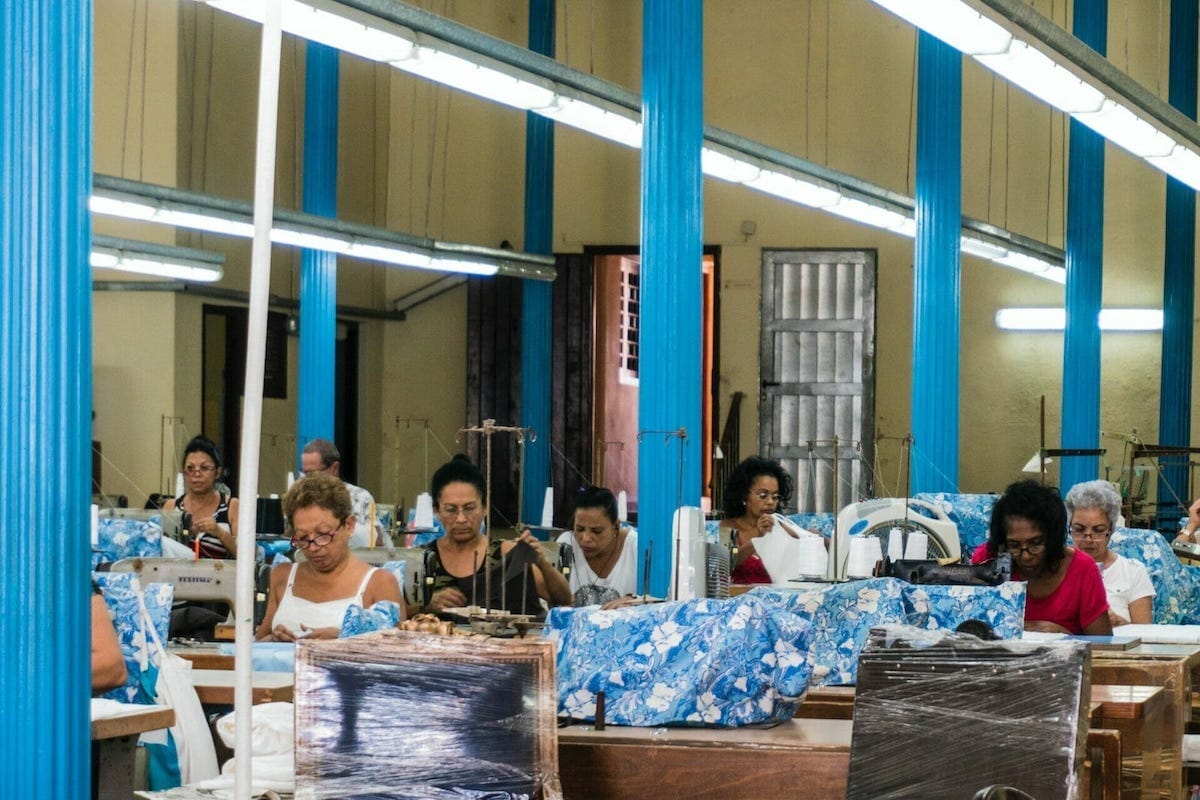
In addition to their negative impact on the environment, fast fashion companies are notorious for overworking, underpaying, and exploiting workers, with only about 2% of garment workers earning a living wage. Work conditions are often unsafe for factory workers, and unethical practices have led to crises in the past—including the collapse of a factory in Bangladesh in 2013, which killed 1,134 people and injured at least 2,000 more.
What qualifies a brand as fast fashion?
Fast fashion brands are the ones leading the industry in the wrong direction. Here’s some of the criteria we used to identify them:
- Rapid product cycle and weekly new drops
- Lack of supply-chain transparency
- Low pricing at the cost of quality and labor standards
- High reliance on synthetic/virgin materials
- Evidence of poor worker treatment or environmental reporting
- Promoting overconsumption
Worst fast fashion brands to avoid in 2026 …
So, who are the major fast fashion culprits?
We know it can be difficult to figure out if a retailer is sustainable or not, so we’ve put together the following list of some of the biggest fast fashion brands to avoid as you begin (or continue) your sustainable clothing journey. If you want to improve your social and environmental footprint, stay away from the brands on this list.
Tip: Want to make sure a fashion brand you’re considering buying from isn’t on this list? Bookmark this article and use the search function (Ctrl + F or Command + F) each time you explore a new brand. While this list doesn’t encompass all existing fast fashion brands, it’s a good starting point for your research.
- Abercrombie & Fitch
- American Eagle
- Anthropologie
- ASOS – learn why ASOS failed our criteria
- Banana Republic – find out why Banana Republic is included on this list
- Bershka
- Boohoo – see what makes boohoo an ultra fast fashion brand
- Brandy Melville – read about the scandal surrounding Brandy Melville
- Buckle
- Cider – learn why Cider is considered fast fashion
- Cotton On
- Edikted – explore Edikted’s fast fashion business model
- Esprit
- Express – see why we failed Express
- Fashion Nova – learn why Fashion Nova is considered ultra-fast fashion
- Forever 21 – read why Forever 21 failed our sustainability criteria
- Free People
- GAP – explore the sustainability concerns tied to GAP
- Garage
- Guess
- Halara – read why Halara’s rapid trend cycles raise red flags
- H&M – find out why H&M fails our sustainability test
- Hollister – explore why Hollister falls under fast fashion
- Hot Topic
- J. Crew – learn why J. Crew falls short of ethical fashion standards
- Lefties – find out why Lefties is considered ultra-low-cost fast fashion
- Lululemon – explore the sustainability concerns surrounding Lululemon
- Mango
- Missguided – read about the fast fashion issues linked to Missguided
- Miss Selfridge
- Nasty Gal – explore why Nasty Gal is associated with fast fashion practices
- New Look
- Next
- Oasis
- Old Navy
- PacSun
- Pretty Little Thing
- Primark – see why Primark’s low prices raise sustainability concerns
- Princess Polly – explore the greenwashing concerns surrounding Princess Polly
- River Island
- Romwe – find out why Romwe is associated with shein
- SHEIN – we break down why Shein ranks among the worst offenders in our full Shein review
- Skims – explore the sustainability questions surrounding Skims
- Stradivarius
- Temu – see why Temu is considered ultra fast fashion
- Topshop
- UNIQLO – read our investigation into Uniqlo
- Urban Outfitters – find out why we avoid Urban Outfitters
- Victoria’s Secret
- Wallis
- Wish
- White Fox – read more about White Fox’s sustainability issues
- YesStyle
- ZAFUL – see why Zaful is considered fast fashion
- Zara – learn why Zara is a leading fast fashion brand
Want to dig deeper?
We’ve investigated over half of the brands on this list in detail. Where available, you’ll find links to our in-depth reviews breaking down labor practices, environmental impact, and sustainability claims — so you can understand why these brands made the list.
The power of consumer choices

You’re likely familiar with the concept of supply and demand: The more buyers show desire for a product or service, the more suppliers are willing to produce it.
When consumers (that’s us!) prioritize sustainable and ethically produced fashion, we create a higher demand for these products, and fashion brands become more likely to respond to that demand. As more and more people stop financially supporting the fast fashion industry, we have the power to create real, meaningful change.
On the other hand, if we continue to financially support fast fashion brands, they have no reason to change—causing more harm to the environment and the people who make our clothes.
It’s crucial to consider the broader impact of our choices and make informed decisions with how we spend our money.
Each dollar you spend supports someone … so who are you choosing to support?
Affordable and sustainable alternatives to fast fashion brands …
Of course, it’s true fast fashion is usually an inexpensive option when you’re searching for clothes. While the reasons for this are problematic (underpaying workers, using cheap and unsustainable fabrics, etc.), we get it: Fast fashion is generally affordable for the average person.
If sustainable fashion brands seem too expensive for you, there are other budget-friendly alternatives to shopping fast fashion. Here are just a few:
- Thrift shopping and consignment stores
- Clothing swaps
- Renting clothes (either locally or online … this is an especially good option for formal events)
- Hand me downs from family and friends
- Upcycle what you own already
- Attend second-hand community events
Choosing to stop supporting fast fashion may require a shift in mindset. Overconsumption is a significant problem in today’s world, and reducing the quantity of clothing purchased in favor of quality, versatility, and personal style (instead of shopping trends) can contribute to building a sustainable wardrobe you love and that will stand the test of time.
Remember, every small step counts! If you’re not quite ready to completely give up fast fashion, start by simply cutting back. Pay attention to how much money you generally spend on fast fashion, then see if you can either purchase less, or direct some of that money elsewhere—to a sustainable brand or a thrift store, for example.
Looking for sustainable fashion brands?
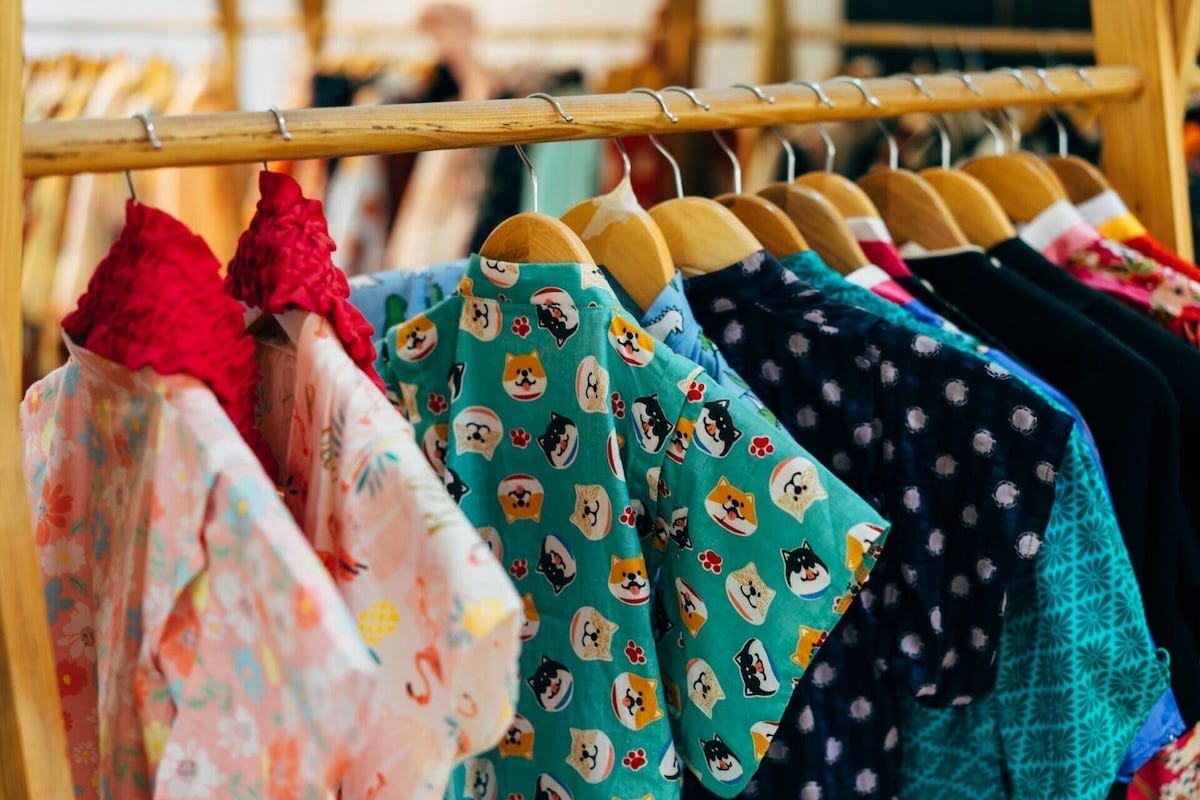
Let’s wrap this up on a positive note: There are many slow fashion brands working to ensure their clothes are made with sustainable materials like organic cotton, cutting back on greenhouse gas emissions and textile waste, and ensuring their garment workers are paid a fair wage in sustainable work conditions.
These clothing brands are sustainable alternatives to fast fashion—so check out our Sustainable Brand Guide to give them your support.
Related Posts
Want to dive deeper? Here’s some posts we think you’ll like:
- Is Fast Fashion Also Bad for Your Happiness?
- Brands to Avoid: Popular Clothing Stores
- How Influencers Accelerate Fast Fashion
Editor’s Note – Updated January 3, 2026:
This article was reviewed and updated for 2026 with new brands, revised criteria, and additional links to in-depth brand investigations.

Celia Wiseman studied Communication and Creative Writing at the University of Iowa, and her growing interest in sustainable living led her to Eco-Stylist. In her free time she enjoys reading, writing, and making videos, as well as any other activity that allows her to get creative.


