

Missguided might call itself a “global fashion powerhouse,” but its ethics and sustainability record tell a different story. In this deep dive, we’ll unpack the facts behind Missguided’s operations—from how it treats workers to its impact on the environment—to help you decide whether this is a brand worth supporting.
Spoiler: it’s not looking good.
What is Missguided?
Missguided is a UK-based fashion brand that exploded onto the fast fashion scene in 2009. Built on speed and trend-chasing, it became known for serving up micro-trends at lightning speed and ultra-low prices, targeting young women with constant new arrivals. The brand sells everything from everyday basics to party dresses and accessories, often with a celebrity edge or pop culture twist.
The brand says it wants to empower women and ‘do good,’ but when you peel back the layers, the ethics are murky, and the environmental impact is alarming.
Is Missguided Shein?
Yes—Missguided is now owned in part by Shein, specifically its intellectual property.
In October 2023, Shein acquired the brand rights and trademarks of Missguided from the Frasers Group. Frasers retains Missguided’s physical infrastructure and staff, while Shein manages brand distribution and growth through its global platform (Reuters, 2023).
This joint model places Missguided under Shein’s umbrella of operations—aligning it with one of the most criticized fast fashion giants in the world. For conscious consumers, this raises major red flags.
Is Missguided Fast Fashion?
Absolutely—Missguided is textbook fast fashion.
From its inception, Missguided built its brand around speed, producing cheap clothing that mimics runway and celebrity styles at breakneck pace. Industry sources cite design-to-shelf timelines of under two to four weeks, placing Missguided firmly in the ‘ultrafast fashion’ category (Vogue Business, 2019).
Now that Missguided’s brand rights are owned by Shein—arguably the most notorious ultra-fast fashion player—it’s even deeper in the fast fashion game. The result? A brand that thrives on overconsumption, contributes to massive textile waste, and perpetuates exploitation across its supply chain.
How Sustainable is Missguided? Full Ethical & Environmental Rating
Despite what its marketing might suggest, Missguided is far from sustainable. Based on Eco-Stylist’s rigorous criteria, Missguided earns a dismal -45 out of 100. Here’s how they scored across our key impact areas:
Is Missguided Transparent?
Transparency Score: 0/14
Missguided shares virtually no meaningful supply chain data. There’s no public list of factories, no disclosure of audit results, and no clarity on who makes their clothes or under what conditions. Transparency is the bedrock of accountability—and Missguided fails to show even basic efforts in this area.
Is Missguided Ethical?
Fair Labor Score: 0/33
Missguided shows no evidence of ensuring fair wages or safe conditions for garment workers. There’s no clear commitment to living wages, no published labor rights policy, and no trace of third-party labor standards like Fair Trade or SA8000. With subcontracting practices and its parent company’s track record, the risk of worker exploitation is high.
Is Missguided Sustainable?
Sustainably Made Score: 0/49
The brand makes no measurable progress on sustainability. There’s no indication of significant use of organic or recycled materials, no goals around carbon neutrality, and no circular programs like clothing recycling or resale. Missguided is built for volume, not for environmental responsibility.
DEI Rating
DEI Score: 0/4
Missguided provides no publicly available data on diversity, equity, or inclusion across its workforce or leadership. The brand does not meet basic standards for transparency or commitment in this area.
Our 3 Principles
Score: -45
At Eco-Stylist, we rate brands on three core principles: Fast Fashion, Inspire, and Trust. Missguided fails all three. It Is undeniably fast fashion, its actions don’t inspire meaningful change, and the brand provides too little transparency to earn our trust.
Is Missguided Truly Sustainable or Just Greenwashing?
Overall Score: -45/100
Missguided isn’t just unsustainable—it’s one of the lowest scoring brands we’ve ever evaluated.
Despite lofty marketing language about empowering women and making fashion accessible, Missguided offers no substantial evidence that it’s addressing its social or environmental impact. Its business model thrives on overproduction, trend-chasing, and cost-cutting at every level.
Greenwashing? That would require them to at least pretend. In this case, the brand isn’t even making a convincing effort. Missguided scores zero across all core sustainability and ethics metrics, and a harsh -45 when factoring in our principles of trust, transparency, and ethical intent.
Bottom line: Missguided is not sustainable. Not ethical. Not trustworthy.
Is Missguided Vegan?
Missguided doesn’t market itself as a vegan brand, and there’s no clear commitment to eliminating animal-derived materials. There is no evidence of vegan certifications like PETA or formal animal welfare policies associated with the brand.
While the company may sell synthetic alternatives to leather and wool, these choices appear to be driven more by cost than by ethical concern for animals. In a fast fashion model built on quick profits, transparency around materials—especially ones linked to animal harm—is typically not a priority.
So, is Missguided vegan? No. And more importantly, it’s not ethical either.
Why Trust Our Ratings?
At Eco-Stylist, we believe conscious consumers deserve honest answers. That’s why every brand we evaluate is held to our rigorous sustainable brand criteria, rooted in the United Nations Sustainable Development Goals.
Our ratings cover three key areas:
– Transparency
– Fair Labor
– Sustainably Made
We also score brands against our own principles—Fast Fashion, Inspire, Trust—to evaluate whether a company is truly walking the talk or just selling you a greenwashed image.
Missguided’s -45/100 score reflects a clear failure across all categories. We don’t give out good scores for pretty websites or vague promises—we demand proof. And Missguided just doesn’t deliver.
Ethical Alternatives to Missguided
Looking for trendy, feminine styles without the ethical baggage? Missguided isn’t your only option. Here are three Eco-Stylist Certified brands that offer fashion you can feel good about:
1) Whimsy + Row

Effortlessly cool with a California vibe, Whimsy + Row offers flirty dresses, chic sets, and everyday basics made sustainably in small batches. This Los Angeles-based brand uses sustainable fabrics like TENCEL™, organic cotton, and deadstock materials. They even use a waitlist model to reduce waste.
2) Liila

For romantic silhouettes and elevated loungewear, Liila is the answer. This brand blends comfort and elegance with organic, plant-dyed fabrics. All garments are produced in a women-owned factory in India with a focus on transparency and fair labor.
3) Reformation
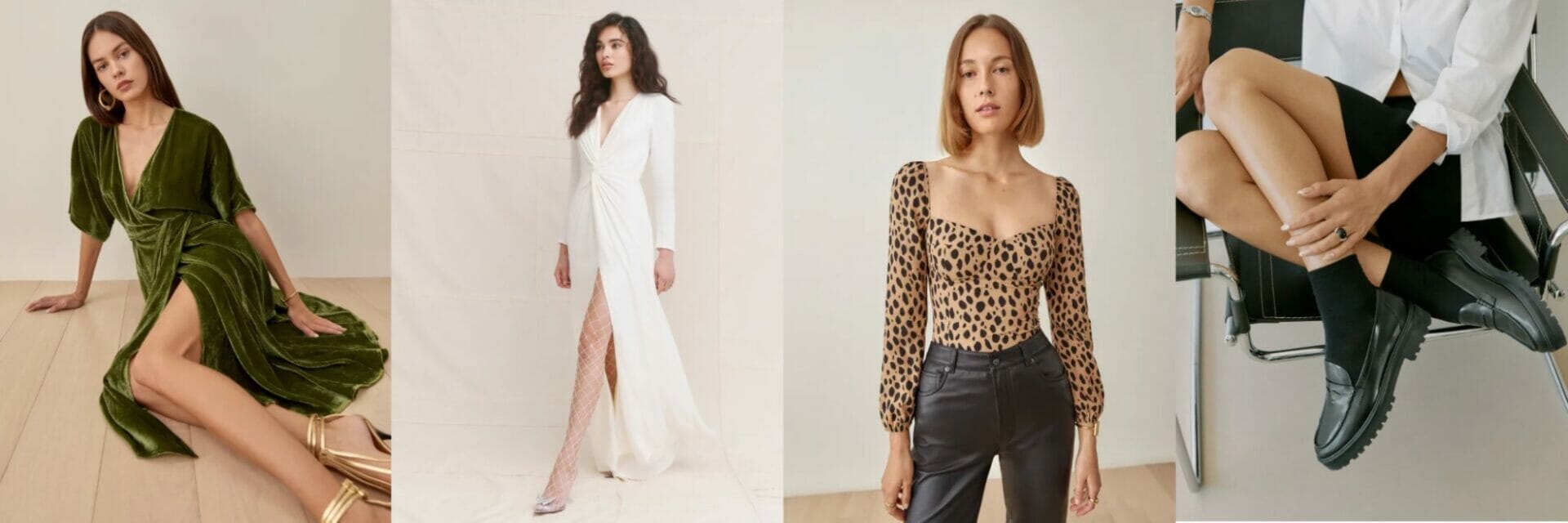
Known for its ultra-trendy aesthetic, Reformation is a go-to for fitted dresses, going-out tops, and stylish staples. They’re climate neutral, use sustainable fabrics like TENCEL™ and deadstock, and offer full transparency on their environmental footprint.
More Sustainable Alternatives to Missguided
Beyond these three top picks, there’s a growing world of fashion brands committed to doing better—for workers, for the environment, and for your wardrobe.
Whether you’re looking for everyday basics, standout eventwear, or planet-friendly loungewear, Eco-Stylist has you covered. We’ve researched thousands and certified over 100 brands to ensure they meet our strict ethical and environmental criteria.
Head over to our Sustainable Brand Guide to discover more alternatives that match your style without compromising your values.

Garik Himebaugh is the founder of Eco-Stylist, the go-to resource to find ethical clothing. He’s also a sustainable personal stylist and international speaker on all things sustainable fashion. Garik loves coffee, climbing, and clothes.


