

Nisolo used to be one of the brightest stars in sustainable fashion. Known for its timeless leather shoes and commitment to fair wages for shoemakers in Peru and Mexico, the brand earned an Eco-Stylist Gold rating—our highest recognition. For years, Nisolo was a go-to example of what ethical and sustainable fashion could look like.
But in 2025, everything changed. Unable to pay mounting debts, the brand went into foreclosure, and then a change of ownership.
Unfortunately, this meant some debts couldn’t be settled by the previous owners: customers who paid in advance for Nisolo’s ‘5 for 5’ program lost their future purchases when the offer was canceled, and sustainable fashion partners who supported the brand were denied the income they had earned.
The new owners of Nisolo deny responsibility for these debts, while simultaneously hoping to reap the rewards of the goodwill of the Nisolo brand. Not on our watch.
What is Nisolo?
Nisolo was founded in Nashville in 2011 with a mission to create timeless, responsibly made shoes. Their signature styles—like the huarache sandal, classic Chelsea boots, and versatile loafers—were handcrafted by shoemakers in Peru and Mexico.
From the beginning, Nisolo positioned itself as more than just a footwear company. They were champions of:
- Fair wages: Ensuring living wages and stable jobs for artisans in Peru and Mexico.
- Sustainability: Using responsibly sourced leather, offsetting carbon emissions, and reducing waste.
- Transparency: Publishing impact reports and being open about their practices.
It worked. Nisolo became one of the most respected names in sustainable fashion and earned Eco-Stylist’s Gold rating, a recognition reserved only for brands that truly lead on both people and planet.
For many years, Nisolo was proof that beautiful design and strong ethics could go hand in hand.
What Happened to Nisolo in 2025?
In January 2025, Nisolo went into foreclosure due to overwhelming debt. The brand first began experiencing challenges when broader market conditions made it difficult to access capital in 2023. While 2024 first brought improved financial performance and new investor capital for the brand, this was later followed by continued macroeconomic disruption, a new set of challenges, and a large, unexpected financial loss at their subsidiary factory in Peru.
Ultimately, the collapse of the company didn’t just impact its Nashville headquarters—it rippled outward: customers were let down, affiliate partners lost income, and the factory in Peru, Creatra, closed down.
Let’s talk about each.
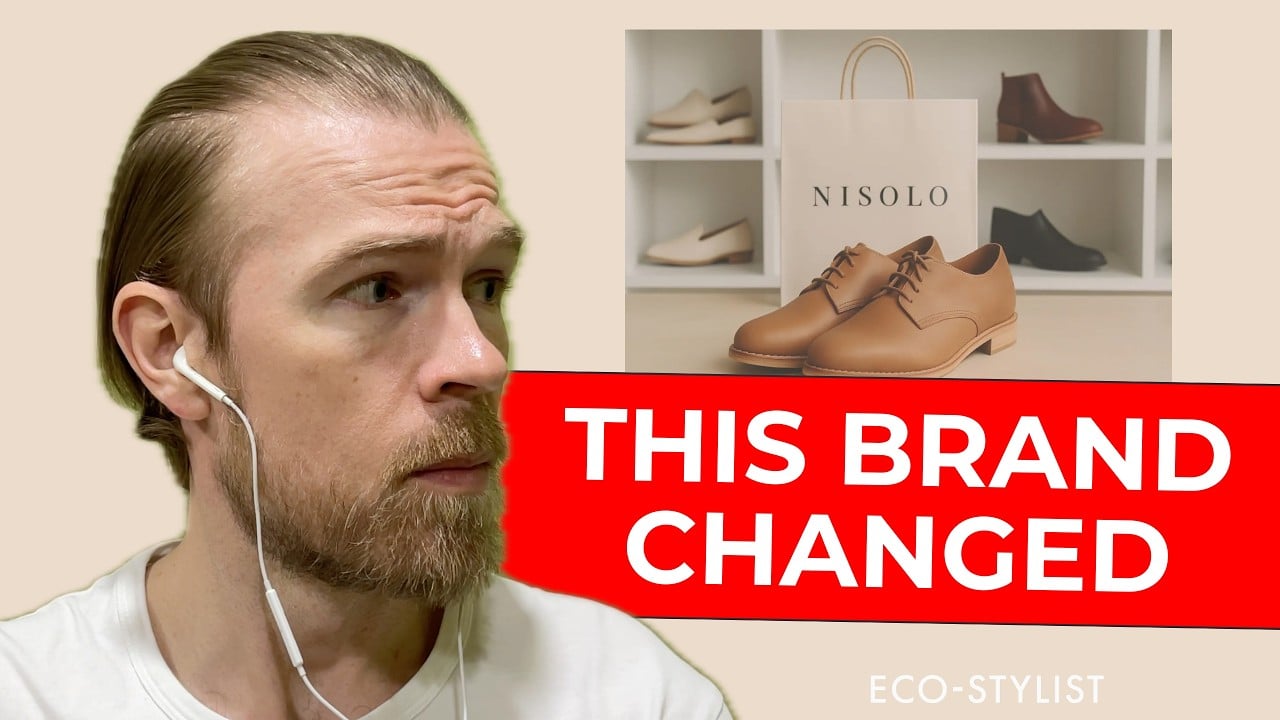
Note: We also published a full video breakdown of this investigation, further explaining some of the findings. You can watch it below or continue reading.
Impact on Customers
Nisolo had been running a highly promoted “5 for 5” offer, but once the company went under, orders tied to this offer could no longer be honored. This means Nisolo’s customers paid up front for the offer, but some unfortunately didn’t receive all of the shoes they were promised.
The “5 for 5” offer essentially gave customers 2 pairs of shoes per year for 5 years, all for a one time cost of $500. This was a great deal for customers and a powerful way for the company to raise capital. Nisolo ran the program for 7 years with many happy customers.
The trouble began when the company could no longer fulfill these orders due to overwhelming debt. This meant that newer members weren’t able to redeem all 5 years of the program and didn’t receive all 10 pairs of shoes they were promised. All 5 for 5 members did receive at least 2 pairs of shoes, but as you can imagine many weren’t happy.
It was never the intention of former management not to fulfill these orders. With the brand’s ultimate foreclosure and the new owners deciding not to take on any of the brand’s past liabilities, unfortunately these customers were left in the cold.
Impact on Partners
Affiliate partners—including Eco-Stylist and other sustainable fashion creators like The Honest Consumer—have confirmed they were not paid for sales dating back to mid-2024. This lack of payment left many small businesses and creators in the sustainable fashion space uncompensated for their work promoting Nisolo.
Since the original publication of this article on 09/25/25 the new owners of Nisolo have paid Eco-Stylist for all outstanding affiliate commissions from 2025, during their ownership. Outstanding commissions from 2024 were not paid. At this time we are not aware if other creators have also been compensated for their work.
Impact on the Shoemakers

Nisolo’s Peruvian factory, Creatra, employed 57 workers when operations were first paused in July 2024, and the factory was later shut down for good by January 2025. We compiled a variety of evidence regarding the closure from both former Nisolo LLC employees and shoemakers in Peru. Here’s what we found:
- After the factory closed, all outstanding wages were paid. The outstanding payments to workers represent severance payments which were negotiated between the factory and the workers.
- Workers who signed the severance agreement were granted first preference on payment, and once all of those payments are settled, workers who did not sign would be given second preference.
- Roughly 72% of workers signed the agreement and began receiving severance payments. They received payments through the end of 2024, at which time the foreclosure initiated a pause on payments. Outstanding severance payments are planned to be resumed and completed for all 57 workers and communication has been ongoing.
- The other ~28% of workers refused to sign, hoping to negotiate their own agreement for more money. Therefore, they have not yet received severance payments at this time. The workers we spoke with fell into this group and personally felt their offer was unfair.
Unfortunately, the foreclosure had effects on various stakeholders and members of the community. Regarding what’s owed to customers and affiliate partners, we hoped the new Nisolo owners would pick up the slack, but that’s not what happened.
Who Owns Nisolo Now?
In February 2025, new owners Project Bound Inc. stepped in to take over Nisolo after its foreclosure. At first, this might have sounded like a second chance for the brand—but the reality tells a different story.

The new ownership has made it clear they will not honor Nisolo’s unpaid debts from any time before they took over. They place the blame solely on the former company, distancing themselves from responsibility for:
- Customers who didn’t receive all of the shoes promised to them through the “5 for 5” promotion
- Affiliate partners and creators with unpaid commission payments
- Any severance claims from former shoemakers in Peru
At the same time, they’ve expressed a desire to carry on the Nisolo name, benefit from its loyal customer base, and lean on the goodwill the brand had built over 14 years.
This contradiction raises an obvious question: how can a company hope to benefit from the legacy of Nisolo while refusing to take accountability for the liabilities tied to that same legacy?
For us, that’s a trust gap too wide to ignore.
How Ethical is Nisolo? Where They Stand Today
Since the new owners took over, Nisolo is already showing troubling signs of moving away from its sustainability commitments.
- Their once-prominent sustainability pages are now gone. Transparency, once central to the brand, has been pushed into the background.
- It’s nearly impossible to determine which of Nisolo’s ethical initiatives are being continued and which have been abandoned.
- Rather than affirm their commitment to customers, or sustainability, the new ownership has focused on distancing themselves from past obligations—while trying to carry on the brand name.
We asked Nisolo’s new CEO, Taryn Jones Laeban, about these changes to their sustainability pages. She said that the brand is re-evaluating their sustainability pages based on what the new owners are currently doing, and will have new sustainability pages when they are ready. Here’s the brand’s official response:
“As part of our commitment to transparency, the former sustainability pages have been temporarily hidden while we review and verify the accuracy of all claims, standings, and certifications. This process ensures that the information we share is both valid and up to date. The pages will be reinstated once any necessary updates or adjustments have been completed.”
At Eco-Stylist, we don’t believe in waiting to see if a brand will do the right thing. The red flags are already here: a lack of accountability, fading transparency, and sustainability deprioritized.
That’s not the Nisolo we once knew—and it’s not a brand we can support today.
Leadership and Why We Don’t Trust Them
Adding to our concerns is Nisolo’s new leadership. The company’s new CEO, Taryn Jones Laeben, previously served as Senior Vice President of Global Merchandising at Kate Spade. In an Instagram reel from August 7th, 2025, she pointed to her experience at Kate Spade as an example of her ability to run brands “ethically” and position Nisolo for a responsible future.
But here’s the problem: Kate Spade is not a brand we consider ethical. It has never met Eco-Stylist’s criteria for sustainability or transparency, and it remains part of the global fashion system that exploits workers and the planet.
By bringing up Kate Spade as a comparison point, the new CEO has only given us further reasons not to trust Nisolo’s future. If Kate Spade is their standard of “ethical leadership,” then the values Nisolo once represented are at risk of being rewritten.
Instead of restoring confidence, this leadership change underscores why we believe Nisolo is no longer the same brand it once was.
Is Nisolo Still Sustainable? Why Nisolo Lost Its Certification
Nisolo wasn’t just a good brand—it was one of the best. Rated Eco-Stylist Gold, they set the bar high for what ethical fashion could look like: transparent, accountable, and genuinely committed to people and planet.
But in 2025, we’ve had to make a hard call.
Nisolo has lost its Eco-Stylist certification—because ownership has changed and it’s no longer the same brand it used to be.
- Customers were left without their purchases. Nisolo’s promoted “5 for 5” offer collapsed with the company, leaving some customers without the shoes they paid for in advance.
- Partners were denied the commissions they earned. Affiliate partners—including Eco-Stylist and other sustainable fashion creators—were unpaid for work we did dating back to mid-2024. While Eco-Stylist was later reconciled for the 2025 portion of this, we can’t speak for other creators.
- The new owners refuse to take responsibility.
- Under new ownership, transparency around sustainability is already eroding.
Nisolo is a brand we’ve loved and believed in for many years. We’re as sad as anyone to see this change in ownership and direction for a great sustainable brand of 14 years.
But you can’t separate sustainability from accountability. That’s why Nisolo is no longer certified by Eco-Stylist.
Take Action: Hold Nisolo Accountable
Nisolo’s story is a reminder that sustainability isn’t just about materials or certifications—it’s about accountability. If you want to make an impact, here are four simple ways to take action:
- Share this article.
Help amplify the truth so more people understand what’s happening behind the scenes. Share it with your network, on social media, or with friends who care about ethical fashion. - Boycott Nisolo.
As long as Nisolo is owned by a company that refuses to take responsibility for unpaid debts to customers and partners, the best action is to stop making new purchases. Our wallets are powerful, and where we spend shapes the future of fashion. - Don’t waste—wear what you own.
Nisolo used to be a great brand, and if you already own their shoes, don’t throw them out. Keep wearing them, take care of them, and extend their life. This is the most sustainable option and also honors the artisans who made them. Boycotting doesn’t mean creating waste—it means choosing not to support the brand moving forward.
Real change starts with awareness, action, and accountability.
What is the Status of Nisolo’s B Corp Certification?
Nisolo still references its B Corp certification on its website, yet the brand no longer appears in the public B Corp Directory. This raises serious questions about whether Nisolo remains certified—or if B Lab has quietly removed their listing without publicly acknowledging it.
We reached out to B Lab for comment and this is what they said:
“Nisolo is no longer B Corp certified, but they are still within the grace period window during which they need to remove mentions of B Corp certification from their marketing. Thanks for flagging, and we’ll keep an eye on the situation!”
In plain English: if a company fails to complete its recertification requirements by the due date, it may lose its B Corp certification and should no longer represent itself as certified.
Ethical Alternatives to Nisolo
If you loved Nisolo for its blend of style, craftsmanship, and commitment to ethics, you don’t have to settle for less. These Eco-Stylist Certified brands carry on the values that the former Nisolo brand represented.
1. Beckett Simonon
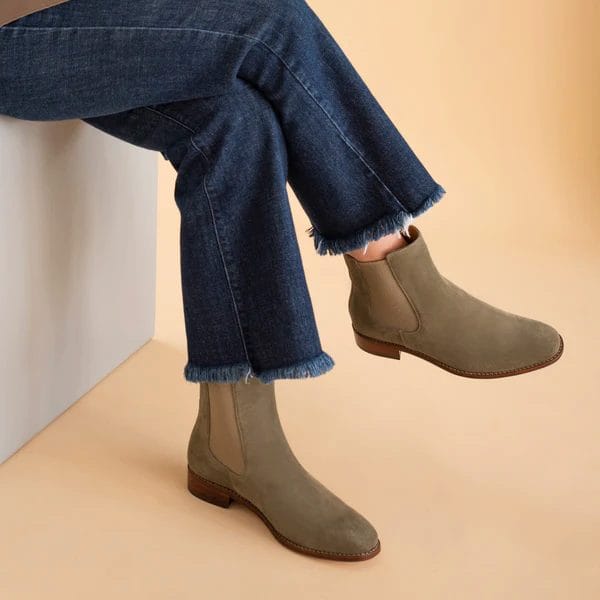
Beckett Simonon offers handcrafted leather shoes made to order, which means no overproduction and less waste. Their workshops in Colombia pay fair wages, and their supply chain is transparent. With timeless styles like Oxfords, loafers, and boots, they’re a strong alternative for anyone who admired Nisolo’s polished designs.
2. Adelante Made-to-Order

Adelante specializes in bespoke leather shoes, handmade by artisans in Guatemala. Customers can customize styles and sizing, ensuring a perfect fit. Even more importantly, Adelante guarantees Living Well Wages for their shoemakers, aligning compensation with the real cost of living. It’s an ethical business model that puts people first.
3. 8000Kicks

For sneakers, look no further than 8000Kicks. This innovative brand creates lightweight, durable sneakers made from hemp and algae-based soles. They’re water-resistant, vegan, and built with both performance and sustainability in mind. 8000Kicks proves that casual footwear can be stylish, functional, and planet-friendly.
These brands uphold the same principles Nisolo once stood for—and they’ve built trust by continuing to put workers, sustainability, and transparency first.
More Sustainable Alternatives to Nisolo
If you’re looking for even more trusted options, Eco-Stylist has researched and certified over 100 sustainable brands across categories like shoes, clothing, and accessories. Every brand in our guide has been vetted for transparency, ethics, and sustainability—so you can shop with confidence.
Explore the full guide here: Eco-Stylist Sustainable Brand Guide
Editor’s Note: This article was updated on 09/26/25 to include new information and evidence from interviews with two former Nisolo LLC employees. It was updated again on 10/27/25 to include additional information, including a response from B Lab and an interview with Taryn, Nisolo’s new CEO.
Sources & Research
This article is based on primary research conducted by Eco-Stylist between June–October 2025. Our investigation included:
- Interviews with two former Nisolo LLC employees, whose testimonies, supported by internal audits and extensive documents, provided further insight into the company’s collapse and the closure of the factory in Peru.
- Company communications from Nisolo/Creatra SAC, including the June 2024 closure letter that paused factory operations until further notice, ended worker contracts, and promised support payments based on tenure.
- Affidavits signed by shoemakers confirming agreement to and receipt of settlement payments.
- Interviews with three shoemakers in Peru—Luis Gutiérrez, Daniel Mercado Martell, and Marlon Brando Terrones Gutiérrez.
- Workforce data: Shoemakers we interviewed estimated approximately 60 factory workers at the time of closure. Former Nisolo LLC employees confirmed a workforce of 57. LinkedIn listed Creatra SAC as having 50–200 employees.
- Evidence of unpaid affiliate commissions, including documented proof from Eco-Stylist (screenshots, emails, and invoices), public testimony published by The Honest Consumer, and corroborating accounts from other creators in the sustainable fashion community.
- Nisolo’s own FAQ and public statements, which acknowledge the foreclosure in January 2025, the Peru factory closure in June 2024, and the discontinuation of the “5 for 5” program.
- B Lab / B Corporation certification records, which confirm Nisolo became a Certified B Corporation in 2017. As of publication, while Nisolo continues to reference its B Corp status on its website, the brand no longer appears in the public B Corp Directory.
- Official response from B Lab, received on September 30, 2025, clarifying its current review of Nisolo’s B Corp certification status.
- Interview with Nisolo’s new CEO, Taryn Jones Laeben, conducted on October 2, 2025, to gain their perspective and comments.
We share this research in order to tell the true story to the best of our ability. We want to honor the former Nisolo brand as well as customers and partners who were left behind, while also holding the new Nisolo owners accountable.

Garik Himebaugh is the founder of Eco-Stylist, the go-to resource to find ethical clothing. He’s also a sustainable personal stylist and international speaker on all things sustainable fashion. Garik loves coffee, climbing, and clothes.


1 thought on “Is Nisolo Still Sustainable? Why We No Longer Trust This Once Gold-Rated Brand”
Hi, I would love to discuss all things sustainable footwear with you! I founded Marté in the UK 3 years ago and am on a mission for real transparency (with Marté we can tell you who made your shoes and tell you all about our wonderful factory in a traditional shoe making area of Zaragoza, Spain!) We manufacture in Spain so EU laws uphold workers rights and environmental initiatives which are at the forefront of responsible manufacturing . I’m passionate about true accountability and transparency in the supply chain.