

How Sustainable and Ethical Is DOSHI?
DOSHI presents itself as a premium vegan accessories brand, offering bags, wallets, and belts with an upscale, polished aesthetic. The brand markets its commitment to high-quality vegan materials, ethical labor practices, and minimal animal harm. But when we put DOSHI under the lens of the Eco-Stylist sustainable brand criteria, the results were surprisingly mixed.
While their promise of vegan products and PETA-approval might sound ethical on the surface, our deep dive reveals a story that’s more complex—and not always aligned with the values of transparency, sustainability, and fair labor that conscious consumers seek.
So, is DOSHI really walking the ethical talk, or is their story too good to be true?
What Is DOSHI?
DOSHI is a U.S.-based vegan accessories company founded with a mission to bring high-end, animal-free alternatives to traditional leather goods. The brand offers stylish and functional designs—like briefcases, backpacks, belts, and wallets—crafted for the modern professional who wants fashion without animal cruelty.
With a sleek, minimalist aesthetic and claims of ethical production, DOSHI caters to conscious consumers looking for alternatives to leather without compromising on style. They promote their commitment to animal welfare, using only vegan materials and obtaining PETA-Approved Vegan certification across their product range.
But beyond the cruelty-free label, how does the brand perform on broader sustainability and ethical labor criteria?
Is DOSHI Fast Fashion?
No, DOSHI is not a fast fashion brand.
The company doesn’t follow the typical fast fashion playbook: there’s no constant cycle of trend-driven designs, rapid product turnover, or mass production at breakneck speeds. Instead, DOSHI offers a curated selection of vegan accessories that change infrequently, suggesting a slower and more deliberate approach to design.
DOSHI Brand Rating
Eco-Stylist evaluates brands across five categories to determine how sustainable and ethical they really are. Here’s how DOSHI performed:
Transparency: 0/14
DOSHI provides minimal public information about its supply chain, manufacturing partners, or sustainability efforts. This lack of transparency makes it difficult for consumers to verify the brand’s ethical claims, especially when it comes to factory conditions and sourcing practices.
Fair Labor: 0/33
Despite their ethical branding, DOSHI shares no verifiable information about how workers in their supply chain are treated. There is no mention of living wages, union rights, or fair working conditions.
While the founder notes that he visits the factories directly, there are no factory names, third-party audits, or labor certifications available. That makes ethical verification difficult.
Sustainably Made: 11/49
While DOSHI does use recycled packaging and only vegan materials, the brand lacks broader initiatives around sustainable production. There’s no mention of carbon footprint tracking, closed-loop systems, or supply chain emissions reductions. Their materials page highlights some thoughtful sourcing—but it doesn’t add up to a comprehensive sustainability strategy.
DEI (Diversity, Equity, Inclusion): 3/4
DOSHI earns some points here. Their leadership includes people of color, and the brand promotes inclusive values. However, they could build on this by sharing workforce data and outlining actionable commitments to equity across all levels of the company.
Our Principles: 0
While DOSHI didn’t violate Eco-Stylist’s core principles (e.g., they are not fast fashion), they also didn’t clearly inspire or earn trust through transparent and progressive practices. While no points were deducted here, we can’t say the brand inspires us at this moment.
Overall Score: 14/100
Despite a strong vegan identity, DOSHI has a long way to go to become a fully ethical and sustainable brand. Transparency and labor justice must be core priorities for them to improve their score.
Why Trust Our Ratings?
At Eco-Stylist, our brand ratings are rooted in rigorous, criteria-based research. We evaluate companies across five key areas: Transparency, Fair Labor, Sustainability, DEI (Diversity, Equity, and Inclusion), and our own guiding principles. These categories are designed to reveal not just what a brand says—but what it actually does.
Each score is backed by publicly available data. If a brand doesn’t share verifiable information, we don’t assume the best—we assume the facts aren’t there for a reason. Our system ensures that feel-good marketing and vague promises aren’t enough to earn a high rating.
In DOSHI’s case, while their mission as a vegan accessories brand is admirable, the lack of transparency and measurable ethical practices means we can’t give them a passing grade. We hope they’ll take this as an opportunity to share more, do more, and build trust with conscious consumers.
Is DOSHI Sustainable?

DOSHI takes a few steps toward sustainability, including using PETA-Approved Vegan materials and recycled packaging. However, it lacks a comprehensive approach to sustainability. The brand does not share data on carbon emissions, water usage, or broader environmental impact.
While veganism can be a step toward sustainability, it’s not a stand-in for comprehensive environmental responsibility. DOSHI still has a long way to go.
What Materials Does DOSHI Use?
DOSHI uses 100% vegan materials, including microfiber leather alternatives, cork, and recycled polyester. These are animal-free, and many are more sustainable than traditional leather.
However, the brand does not disclose full details about sourcing, certifications, or lifecycle impacts. There’s no third-party certification like GRS or bluesign® to back up material claims.
Is DOSHI Carbon Neutral?
No, DOSHI is not carbon neutral. The company has not published any commitments or roadmaps for measuring, reducing, or offsetting its emissions.
Climate leadership requires transparency and action—two things DOSHI has yet to demonstrate in this area.
Does DOSHI Have a Clothing/Shoe Recycling Program?
No. DOSHI does not offer a recycling, repair, or take-back program. While they use recycled packaging, they lack a strategy to keep used products out of landfills.
A truly sustainable brand plans for a product’s end-of-life—and here, DOSHI is silent.
Is DOSHI Ethical?
DOSHI’s ethical stance centers on animal welfare, but there is no public information about its labor practices. Without proof of ethical sourcing, living wages, or factory transparency, the brand falls short on fair labor.
Ethical fashion must also center the rights of workers—something DOSHI has yet to show it prioritizes.
Where Are DOSHI’s Products Made?
DOSHI does not disclose where its products are made, or by whom. This absence of information makes it impossible to evaluate factory conditions or ethical sourcing.
Transparency here would help back up their ethical claims.
Is DOSHI Vegan and Cruelty-Free?
Yes. DOSHI is 100% vegan and PETA-Approved. None of their products use animal-derived materials.
This is one area where the brand clearly delivers on its promise.
Ethical Alternatives to DOSHI
If you like DOSHI’s clean, minimalist aesthetic but want to support brands with stronger transparency, labor practices, and environmental commitment, these Eco‑Stylist–certified alternatives are the real deal:
1. EcoPersona
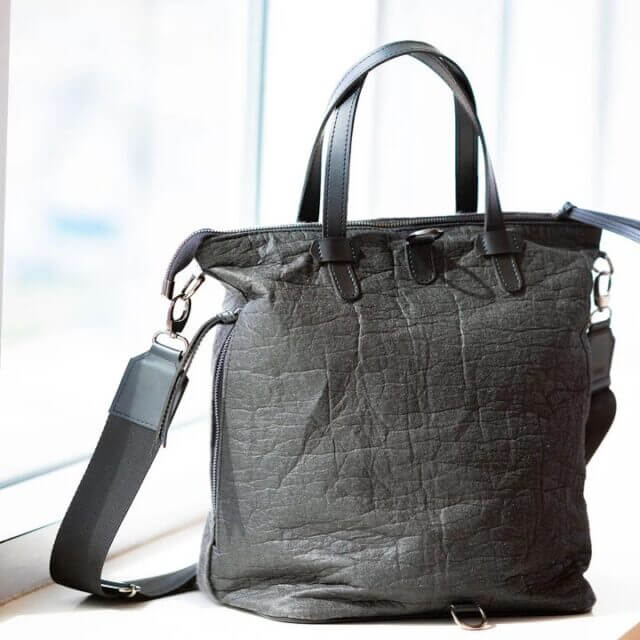
While not a fully vegan brand, EcoPersona’s bags are 100% vegan and crafted using Piñatex® (pineapple leaf fiber). They prioritize 100% traceability for their pineapple products, fair labor conditions in Latin America, carbon-offset shipping, and organic or recycled fabrics. A strong pick for responsibly-made, cruelty-free accessories.
2. Up‑Fuse

A fully vegan, Egyptian women-led brand transforming plastic waste into vibrant, one-of-a-kind bags. Up-Fuse pays living wages, maintains complete material transparency, offers free repairs, and tracks its environmental impact—including water and carbon data. Their commitment to upcycling and empowerment makes them a gold-standard brand.
3. 8000Kicks

Focused on hemp-based, fully vegan footwear and accessories, 8000Kicks blends sustainability with tech innovation. They use plant-based, biodegradable, and recycled materials, and emphasize minimal environmental impact in both product and packaging.
Ethical Alternatives Comparison Table
| Feature | EcoPersona / Up‑Fuse / 8000 Kicks | DOSHI |
| Vegan Credentials | Bags only (EcoPersona), Fully vegan (Up-Fuse, 8000 Kicks) | Fully vegan |
| Material Transparency | Piñatex®, upcycled plastic, hemp, recycled fabrics | Broad vegan-synthetic claims |
| Certifications & Ratings | Eco-Stylist Certified, PETA-Approved (partial) | PETA-Approved |
| Circular & Eco Action | Free repairs, shipment offsets, upcycling | No circular initiatives |
| Fair Labor Practices | Living wages, traceable supply chains | No labor disclosure |
Final Takeaway
For shoppers looking to align ethics, aesthetics, and environmental responsibility, these brands are credible, stylish alternatives to DOSHI. They prove you don’t have to sacrifice values for good design.
Looking for more vegan brands? Go to our Brand Guide and filter by Values—>Vegan.

Garik Himebaugh is the founder of Eco-Stylist, the go-to resource to find ethical clothing. He’s also a sustainable personal stylist and international speaker on all things sustainable fashion. Garik loves coffee, climbing, and clothes.


