

“The government and labor laws emphasize the protection of workers’ rights, but these laws are often not enforced. When we speak up for our rights, we are threatened or sometimes even fired from the factory.”
–Murtaza, a worker and labor union organizer in Pakistan
Ever wondered how the people who make your clothes live? Do they enjoy basic luxuries of life after spending endless hours in the factory? Can their families afford enough food or quality education? What is life truly like for the average garment worker, and is it the life they deserve?
This article presents a true account of the struggles faced by factory workers, particularly those in the garment industry, examining their working conditions; read on for more as we explore whether their wages are sufficient to support a decent standard of living.
Low Wages Trap Garment Workers in Endless Factory Labor
Garment workers, mostly women in low-income countries, work in harsh conditions to keep up with fast fashion’s relentless demand. From poor wages to unsafe factories, garment workers bear the brunt of an industry built on speed and disposability.
As the global fast fashion brands chase profits, the fast fashion supply chain perpetuates exploitation, leaving millions of low income workers trapped in cycles of hardship. This is the stark reality facing those who stitch the clothes the world wears.
What is Minimum Wage?
Minimum wage is the non-negotiable baseline salary that must be paid to the workers. The minimum wage cannot be undercut through a contract or collective bargain. Usually, minimum wage is decided by the government in collaboration with labor unions and other stakeholders while keeping the inflation and cost of living in consideration.
Minimum wage vs. living wage
The living wage is the amount of money a worker must earn to beat inflation and afford basic necessities like housing, food, healthcare etc. The living wage often does not align with the minimum wage of the workers due to rapid economic changes and multiple waves of inflation in one fiscal year. The living wage of a worker is often substantially higher than the legal minimum wage decided in that country.
Do Garment Workers Get Paid a Living Wage?
In countries with a significant garment industry, such as Bangladesh and Pakistan, the minimum wage is often set artificially low to attract foreign investment. Consequently, garment workers often earn even less due to exploitative practices of the garment factories, including under the table payments, piece-rate compensation plans.
The prevalent use of informal contracts circumvent labor laws and the workers cannot defend themselves from this injustice due to lack of awareness and means to fight back. Hence, in developing countries like Pakistan and Bangladesh the garment workers do not get paid a minimum wage let alone a living wage.
Only 2% of garment workers around the world are paid a living wage
Behind every cheap t-shirt and trendy dress lies an unseen human cost. 80% of the workers employed in the garment factories are women and children. These workers endure challenging work environments and face poverty even in countries with a low cost of living such as Bangladesh.
Garment Workers Still Struggling for Basic Rights, Twelve Years After Rana Plaza Collapse
Twelve years after the Rana Plaza disaster in Bangladesh, survivors continue to face significant challenges in securing basic rights and dignified livelihoods. International fashion brands have faced criticism for failing to adequately prioritize the well-being of garment workers who are the most integral yet most exploited part of the fast fashion supply chain.
Although some brands have voiced their backing for increased wages, they frequently do not pledge to offer suppliers higher payments, forcing factory owners to absorb the expenses by underpaying the garment workers.
This situation continues a cycle in which garment workers’ right to fair compensation remains insufficiently met.
Activism for garment workers
Activism for garment workers has been a crucial element in advocating for better wages, safer working conditions, and the protection of garment workers’ rights. In countries like Bangladesh and Pakistan, where the fast fashion garment industry is a significant part of economic progress, labor rights activists and organizations have been at the forefront to highlight the problems faced by the garment workers and advocate for their safety.

How Garment Workers Contribute to the Economy
Garment workers are the unsung heroes of the economies of textile-intensive nations. In 2024, Bangladesh’s garment exports reached $38.48 billion, while Pakistan’s textile exports totaled $17.45 billion. These sectors not only drive substantial export earnings but also provide employment to millions making their contributions crucial for economic development.
Suppression of worker unions
The wage dispute in Bangladesh and other countries has been going on for long. Organizations like the Sommilito Sramik Federation and the Awaj Foundation have been vocal in advocating for women’s rights within the garment industry.
However, these efforts often met serious repercussions. The labor unions advocating for fair wage often face threats and suppression from factory mafia and the government. While progress has been made, ongoing efforts are necessary to ensure fair treatment and justice for these workers.
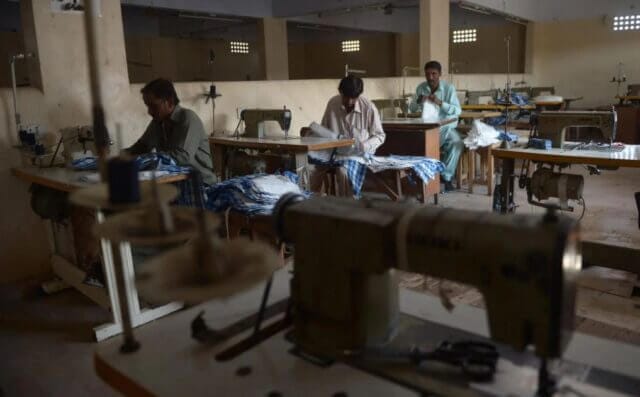
Pakistani labor lawyer Angbeen Mirza exposes factory exploitation fueled by fast fashion’s demand for cheap clothes, stating:
“Workers are treated like cattle, because they are herded in early in the morning and are expected to work non-stop. They can’t take toilet breaks. Also, the conditions they work in are not always sanitary, and the safety standards aren’t always met. The minute somebody asks for anything, they lose their job. Most workers have no idea that they have a right to unionize.”
Why Labor Unions Are Important
Historically, the labor unions have been instrumental in pushing for safer working environments for the garment workers. For example, the tragic Triangle Shirtwaist Factory fire in 1911, which resulted in the deaths of 146 workers, led to significant labor reforms in the United States.
In developing countries, labor unions advocate for improved safety standards to prevent disasters like the Rana Plaza collapse. In countries where labor laws are poorly enforced and workers have no safety net, unions act as a safeguard against exploitation. Fair labor associations not only promote a living wage for workers but also offer them a visibility that they deserve.
However, stringent laws and bureaucratic hurdles make it difficult for workers to form unions. For example, a high percentage of workers must agree to unionize, and the registration process is too complicated for uneducated workers to understand.
Understanding the Crisis: How It Affects the Workers Behind Our Clothing
The fast fashion industry relies on a complex network of workers, many of whom endure appalling conditions to meet the ever-growing demand. From sweatshops in developing countries to factory workers laboring long hours in unsafe environments, the crisis affecting these workers is both dire and largely invisible to the average consumer.
Workers are forced into labor due to economic hardship, lack of education, or the absence of other employment opportunities. Factory owners supplying to the multinational fashion brands exploit the vulnerability by paying workers below minimum wage, offering little to no job security, and providing inhumane working conditions.
Garment Worker Stories: The Fight of a Child Activist Against Injustice in Factories
In Pakistan, many families struggle to make ends meet, often leading entire households to work in factories under harsh conditions. Such was the reality for Iqbal Masih (اقبال مسیح), a young boy who began working in a carpet factory at the age of four to support his family.
Iqbal escaped from the factory and sought refuge with the Bonded Labour Liberation Front (BLLF) Pakistan. There, he received an education and became a vocal advocate against child labor. Iqbal’s activism led to the liberation of over 3,000 children from bonded labor, and he traveled internationally to raise awareness about the issue.
Iqbal encouraged people to learn to read so they wouldn’t be tricked into signing exploitative contracts. Due to his widespread popularity and fight against injustice, Iqbal was killed by the factory mafia, who profited from the underpayment and exploitation of child labor.

How Fast Fashion Fuels Child Labor
The fast fashion industry is driven by relentless demand for cheap, quickly made clothing and apparel. Fast fashion industry continues to rely on the systems of exploitation, where workers, many of them children who are denied fair wages, safe conditions, and basic rights.

Can Consumers Empower Garment Workers?
Consumers are at the end of the fast fashion supply chain, yet they hold significant power to drive change. By making informed choices and supporting brands that prioritize fair labor practices, consumers can play a vital role in advocating for the rights and well-being of garment workers.
How you can help
- Choose clothing brands that are transparent about their supply chains and committed to ethical practices.
- Research the true cost of fast fashion, the labor practices of different brands, and how certain products are made.
- Include sustainable living practices in your daily life.
- Demand transparency from brands by checking their ethical fashion certifications before making a purchase.
- Raise awareness by discussing the ethical concerns related to the Fast Fashion supply chain.
About the Sources
This article draws upon a range of reputable news articles and scholarly research papers to provide a comprehensive overview of the challenges faced by the factory workers in developing countries. The account of Iqbal Masih’s life and activism is primarily sourced from The Little Hero: One Boy’s Fight for Freedom by Andrew Crofts.
References
- Lillypet, S., Jain, T., & Joseph, B. (2017). Health problems among garment factory workers: A narrative literature review. Journal of Occupational Health and Epidemiology, 6(2), 114–121.
- Liu, X., Mishra, A., Goldstein, S., & Sinha, K. K. (2018). Toward improving factory working conditions in developing countries: An empirical analysis of Bangladesh ready-made garment factories. Manufacturing & Service Operations Management, 21(2), 379–397.
- Kibria, N. (1998). Becoming a garments worker: The mobilization of women into the garments factories of Bangladesh. UNRISD Occasional Paper No. 9. United Nations Research Institute for Social Development (UNRISD).
- Arslan, M. (2019). Mechanisms of labour exploitation: The case of Pakistan. International Journal of Law and Management, 62(1), 1–21.
If something in this article piqued your interest, let us know in the comments.

Saher Aamir has a master’s degree in Development Studies with a focus on female entrepreneurship. Passionate about natural habitat preservation, she loves crochet, cross-stitch, reading, and watching wild-life documentaries.


