
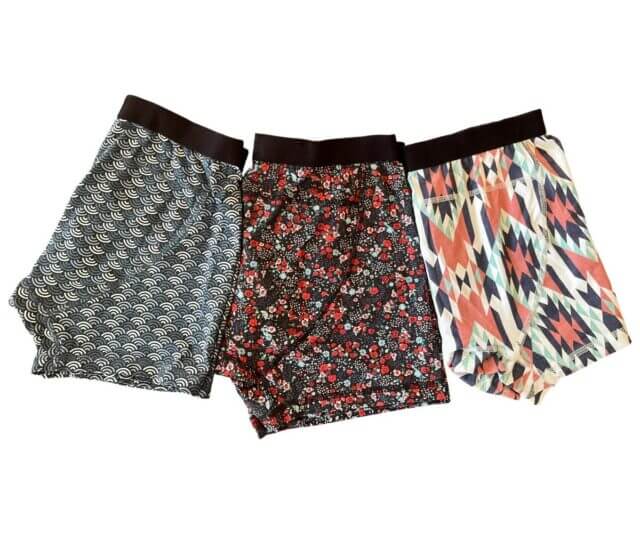
When we talk about building a more sustainable wardrobe, it is easy to focus on the visible pieces: jackets, shoes, denim, the items that make a statement. But some of the most important choices are the ones you make in the basics drawer.
T-shirts, boxer briefs, socks, hoodies, and sweatshirts are the clothes many of us wear most. They are washed often, replaced often, and worn close to the skin. So if you are looking for a better starting point for a more sustainable wardrobe, basics are a smart place to begin.
That is where Opok comes in. The brand is focused on men’s everyday essentials made primarily from organic cotton, with an emphasis on comfort, fewer synthetics, and a more transparent supply chain.
This Article Is Sponsored by Our Friends at Opok.
Meet Opok
Opok is a men’s organic clothing brand built around the idea that basics should feel good, fit well, and be made with better materials. Founded by two former Team USA water polo players from South Florida, the brand grew out of concerns about synthetic fabrics, chemical exposure, and the impact of conventional clothing.
That origin story makes sense when you look at the products. Opok is not chasing trends or trying to reinvent menswear. It is focused on the kinds of essentials most guys actually live in: underwear, tees, socks, hoodies, and sweatshirts. The brand’s point of view is simple and practical — make everyday staples with more natural materials and a higher level of accountability than the industry standard.
There is something refreshing about that focus. A lot of brands want to be everything at once. Opok stays in its lane, and that is part of what makes it compelling.
Why Opok’s Basics Stand Out
The most obvious thing that sets Opok apart is the material choice. The brand makes its garments primarily with GOTS-certified organic cotton and prioritizes natural fibers over synthetic-heavy blends wherever possible.
That matters more than a lot of people realize.
In conventional fashion, basics are often made with standard cotton, polyester, or a mix of both. They are designed for cost, convenience, and scale. But when you upgrade the materials in the pieces you wear every day, you are not just making a small change. You are improving one of the highest-use parts of your wardrobe.
Why Organic Cotton Matters
Organic cotton is the foundation of Opok’s product line, and that gives the brand a strong starting point. For shoppers trying to move away from conventional basics, organic cotton offers a more thoughtful alternative to standard fibers.
Because these are everyday essentials, the material decision carries extra weight. These are not occasional pieces. They are the clothes that end up in heavy rotation.
Less Polyester, More Natural Fiber
Another meaningful part of the story is Opok’s effort to reduce synthetic content. In a market where basics are often built around polyester blends and sold through performance language, Opok takes a different route.
Instead of leaning into more plastic-based fabric, the brand leans into natural comfort. That choice helps define its identity and gives it a clear point of difference in a crowded category.
Beyond Materials: Supplier-Level Progress
The story also goes beyond fiber. Opok shares details about supplier-level environmental efforts, including solar energy use at one of its manufacturing partners and water-conscious processes in dyeing and finishing.
Those details matter because sustainability should be more than a materials headline. It should also show up in how a product is made.
Honest About What’s Still Missing
One thing I appreciate here is that the story is not overbuilt. Opok has strong material and transparency signals, but there is still room to grow in deeper environmental reporting. That kind of honesty is important.
A credible brand does not need to pretend it has solved everything. It needs to show that it is making better choices and being clear about where there is still work to do.
Spotlight Product: Organic Boxer Briefs
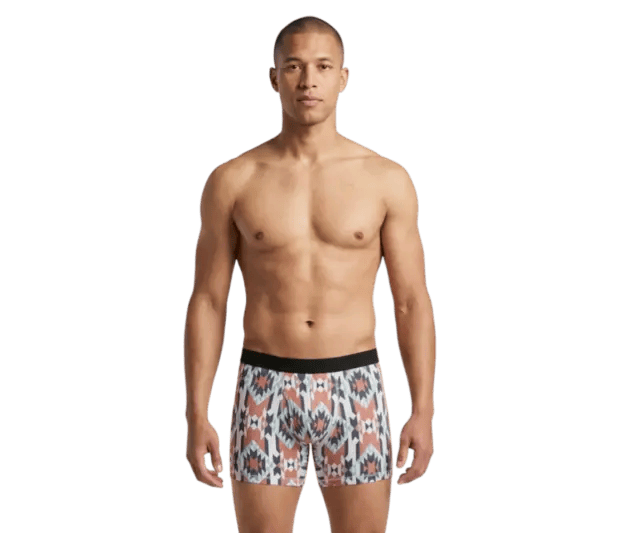
If I had to pick one product category that best captures what Opok is trying to do, it would be boxer briefs.
That may not sound glamorous, but that is exactly the point.
Underwear is one of the most practical items in any wardrobe. It is worn constantly, washed constantly, and expected to deliver on comfort every single day. If a brand wants to make the case that better materials matter, this is one of the best places to prove it.
Opok’s organic boxer briefs make the brand’s value proposition easy to understand. They take a high-use essential and make it with a more thoughtful material strategy. That is the kind of upgrade that feels tangible, not theoretical.
For a lot of people, sustainable fashion becomes more approachable when it starts here — not with a dramatic style shift, but with the basics they already know they need.
What Makes Opok Different
What sets Opok apart is not just that it uses organic cotton. Plenty of brands know that shoppers want better materials. The more interesting thing is where Opok applies that choice.
This is a brand focused on basics.
Not the flashy pieces. Not the aspirational layer. The daily uniform.
That matters because basics are where most wardrobes actually live. They are the pieces people rely on without thinking much about them. By focusing on that category, Opok is addressing a part of fashion that is often overlooked in sustainability conversations, even though it has a big impact on how we buy, wear, and replace clothing.
The brand also stands out because its identity feels coherent. It is not treating sustainability as an add-on or a marketing mood board. The emphasis on organic cotton, reduced synthetics, and everyday comfort all work together. The result is a brand story that feels specific.
And then there is transparency. In the basics category, that is still relatively rare. Opok shares meaningful information about where products are made, who its Tier 1 partners are, and how production is structured. That gives shoppers something real to evaluate, which is always better than broad claims with no backing behind them.
Inside Opok’s Supply Chain Transparency
Transparency is one of Opok’s strongest areas.
The brand shares meaningful detail about where its garments are made and how its supply chain works. That includes its Tier 1 manufacturing partners in Turkey and India, the roles those partners play in production, and the main stages of the supply chain from fiber to finished garment.
That kind of visibility is important because it helps move the conversation from branding to accountability. When a company is willing to say where products are cut and sewn, who is involved, and what standards are expected, shoppers have a much better basis for trust.
Opok also shares concrete information about its supplier relationships, including factory location, size, and expectations around subcontracting. That level of disclosure is still not the norm for many basics brands, which makes it a meaningful strength.
At the same time, the transparency story feels credible because it is not presented as complete. The brand shows strong visibility at Tier 1 and communicates where it is still working to improve traceability deeper in the supply chain. That distinction matters. Good transparency is not about sounding perfect. It is about being clear on what you know, what you can verify, and what still needs work.
The Bottom Line

A more sustainable wardrobe is not built all at once. Most of the time, it is built piece by piece, starting with the items you wear most.
That is why basics matter. And that is why Opok is worth a look.
The brand is taking a practical approach to menswear essentials by focusing on organic cotton, reducing synthetic use, and offering a stronger level of transparency than many conventional basics brands. It is not trying to do everything. It is trying to do a specific thing well.
That kind of focus goes a long way.
If you are looking to upgrade the foundation of your wardrobe with better everyday pieces, Opok offers a promising place to start. Next steps:
- Shop Opok
- Read more about why Opok is an Ethical Brand.

Garik Himebaugh is the founder of Eco-Stylist, the go-to resource to find ethical clothing. He’s also a sustainable personal stylist and international speaker on all things sustainable fashion. Garik loves coffee, climbing, and clothes.


