

White Fox has built a massive following through influencer culture, viral trends, and a carefully curated “it-girl” aesthetic. With bold party looks, matching sets, and constant new drops, the brand has become a go-to for Gen Z shoppers chasing what’s trending right now.
But behind the polished marketing lies a familiar reality: White Fox is fast fashion.
The brand operates on rapid trend turnover, high product volume, and low prices — all hallmarks of the fast fashion model. And despite its scale and influence, White Fox offers no meaningful transparency about where its clothes are made, how workers are treated, or how its operations impact the planet.
With an Eco-Stylist score of –45/100, White Fox earns one of the lowest ratings in our system. Below, we break down exactly why.
What Is White Fox?
White Fox is an Australia-based fashion brand founded in 2013 and best known for its bold, body-con silhouettes, partywear, hoodies, and influencer-driven aesthetic. The brand grew rapidly through Instagram marketing, celebrity exposure, and viral social media moments.
Today, White Fox sells a wide range of products including dresses, matching sets, loungewear, swimwear, activewear, hoodies, and accessories. New styles are released frequently, reinforcing a trend-driven model designed to keep shoppers coming back for the next drop.
White Fox is co-owned by a woman founder and continues to position itself as confident, youthful, and fashion-forward — a brand built for visibility and speed in the social-media era.
Is White Fox Fast Fashion?
Yes — White Fox is undeniably fast fashion.
The brand fits every defining characteristic of a fast fashion business: rapid trend cycles, constant product releases, influencer-driven demand, and extremely low transparency. White Fox’s success depends on speed — producing trend-aligned styles quickly and selling them at prices that encourage frequent purchases.
As the brand says on its own website:
“With hundreds of styles dropping every week, we’ve got what you need to curate your dream wardrobe.”
If their self admission wasn’t enough, here’s 5 things that clearly place White Fox in the fast fashion category:
- Rapid trend turnover: they release new styles constantly, tracking TikTok aesthetics, celebrity outfits, and micro-trends.
- High-volume production: the brand’s massive catalog across multiple categories signals production at scale, prioritizing quantity over durability.
- Low price points: White Fox’s pricing structure relies on aggressive cost-cutting — a common indicator of labor and environmental risk within fashion supply chains.
- Lack of supply-chain transparency: they do not publicly disclose factory locations, supplier lists, labor standards, audit processes, materials sourcing, or environmental impact data.
- Marketing built around overconsumption: through influencer hauls and constant drops, the brand promotes frequent buying and rapid replacement — core drivers of fast fashion waste.
Bottom line: White Fox isn’t just fast fashion — it’s ultra-fast fashion, operating without accountability. This model directly informs the brand’s failing Eco-Stylist score.
Full Ethical & Environmental Rating – White Fox Sustainable Initiatives

White Fox markets itself as trendy, confident, and aspirational — but when it comes to sustainability and ethics, the brand offers no evidence to support responsible practices. With an Eco-Stylist score of –45/100, White Fox ranks among the lowest-scoring brands in our system.
Below is a breakdown of exactly where the brand falls short.
Transparency Score: 0/14
White Fox earns zero points for transparency.
The brand does not publicly disclose:
- supplier or factory lists
- country of manufacture
- labor standards or codes of conduct
- audit processes
- environmental reporting
- sustainability goals or timelines
- third-party certifications
Without transparency, consumers have no way to verify how clothing is made or who makes it. For a brand of White Fox’s size and influence, this lack of disclosure is deeply concerning.
Fair Labor Score: 0/33
White Fox provides no evidence of ethical labor practices.
The brand does not disclose:
- living wage commitments
- worker well-being programs
- grievance mechanisms
- freedom of association protections
- community investment
- independent factory oversight
Given the brand’s low prices and high production volume, the absence of labor disclosures raises serious concerns about worker exploitation.
Sustainably Made Score: 0/49
White Fox earns zero points for environmental sustainability.
There is no evidence of:
- preferred or sustainable materials
- emissions tracking or reduction targets
- water usage or conservation efforts
- chemical management policies
- waste reduction initiatives
- circular programs like repair, resale, or recycling
White Fox operates entirely within a linear fast fashion model: produce fast, sell cheap, discard quickly. Fast fashion’s environmental costs — from massive textile waste to greenhouse gas emissions — are well documented by the United Nations Environment Programme, which highlights how rapid production and disposal cycles fuel pollution and resource depletion.
DEI Score: 0/4
White Fox does not publish:
- a DEI policy
- inclusive hiring commitments
- workforce diversity data
- leadership representation metrics
While the brand is co-owned by a woman founder, there is no public information showing a commitment to equity or inclusion within the company.
Our Principles Score: –45
White Fox loses points across all three Eco-Stylist principles:
- Fast Fashion (–25): Built on speed, volume, and trend replication
- Inspire (–10): No leadership or innovation in ethical fashion
- Trust (–10): No transparency or accountability
Overall Score: –45/100
White Fox is not sustainable, not ethical, and not transparent. The brand’s success is driven by influencer culture and overconsumption — not responsibility or long-term impact.
Is White Fox Vegan?
No — White Fox is not a vegan brand, and there is no evidence to suggest otherwise.
White Fox does not publish an animal welfare policy, a vegan commitment, or any materials transparency that would allow consumers to verify whether animal-derived products are used. The brand also does not offer vegan labeling, certifications (such as PETA), or disclosures for individual products.
Bottom line: Without transparency or a public animal welfare policy, White Fox cannot be considered vegan or cruelty-free. Shoppers who prioritize animal-friendly fashion won’t find the clarity or accountability they need here.
Why Trust Our Ratings?
At Eco-Stylist, our brand ratings are built on evidence, transparency, and accountability — not marketing claims. Every brand we evaluate, including White Fox, is assessed using our Sustainable Brand Criteria, a rigorous framework designed to reveal how fashion brands actually operate behind the scenes.
Here’s why you can trust our assessment:
- Evidence-based scoring: Brands only earn points for publicly verifiable information.
- Holistic evaluation: We assess impact across transparency, labor, sustainability, DEI, and fast fashion principles.
- Independent and unbiased: We don’t accept payment for higher scores or favorable ratings.
- Designed to empower shoppers: Our goal is to help people make informed choices and hold brands accountable.
White Fox’s –45/100 score reflects a lack of disclosure and meaningful action — not assumptions or opinion.
5 Ethical Alternatives to White Fox
If you love White Fox’s confident, trend-forward aesthetic — especially its popular hoodies and casual sets — but don’t want to support fast fashion practices, there are better options.
Here are 5 Eco-Stylist Certified alternatives that deliver style without sacrificing ethics:
1) Kotn

Ethically made hoodies, sweatshirts, and everyday essentials crafted from organic cotton with transparent supply chains.
Explore why Kotn’s essentials are both stylish and sustainable → Kotn’s brand rating.
2) Liila

Cozy, elevated hoodies and dresses designed with transparency and longevity in mind — perfect for hoodie lovers seeking comfort without compromise.
See Liila’s brand rating to learn what makes their cozy collection a sustainable favorite.
3) Whimsy + Row

Trend-forward dresses and statement pieces made in small batches using deadstock and low-impact fabrics.
4) Outerknown

Casual, elevated streetwear and everyday essentials built with preferred materials and strong labor standards.
See Outerknown’s brand rating to discover what makes them one of our top ethical picks.
5) Known Supply
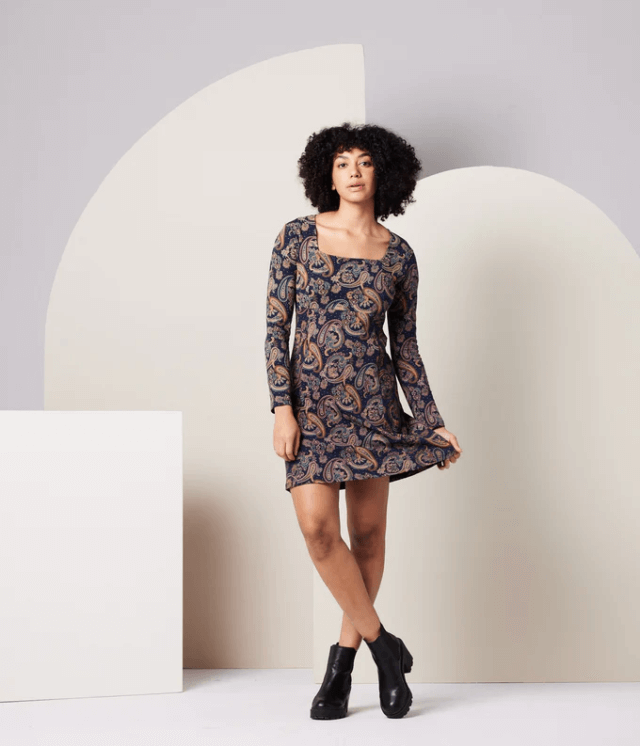
Radically transparent basics made in Fair Trade Certified factories — putting people first at every step.
Check out our brand rating to learn more about how Known Supply puts people first.
More Sustainable Alternatives to White Fox
If you’re looking for even more ethical fashion brands — from cozy hoodies to elevated streetwear — the Eco-Stylist Certified Brands Directory is your best resource.
Every brand in our directory meets strict standards for:
- transparency
- fair labor practices
- sustainable materials
- lower-impact production
Know Someone Who Shops White Fox? Share this Article.
Fast fashion thrives on hype and misinformation — but change starts with awareness. If someone you know loves White Fox, share this article with them and help them make more informed choices.
Because when we know better, we shop better — and brands are forced to do better.

Garik Himebaugh is the founder of Eco-Stylist, the go-to resource to find ethical clothing. He’s also a sustainable personal stylist and international speaker on all things sustainable fashion. Garik loves coffee, climbing, and clothes.


