The fashion world is changing everywhere, and in Latin America, eco-friendly fashion is advancing fast.
Here at Eco-Stylist, we often remind our readers of the devastating impact that fast fashion has on our planet. Regardless, over 100 billion pieces of clothing are produced every year. An average person owns 70 to 150 pieces of clothing, and by 2030, global clothing consumption is projected to rise by 63%. In total, the global apparel market is worth $1.84 trillion and accounts for 1.6% of the world’s GDP in 2025.
The South American clothing industry is valued at $160 billion, accounting for almost 10% of the global fashion market. Brazil and Mexico are the leading fashion markets, while Colombia and Peru are the two countries in the region with the highest growth rates in the industry.
On the other hand, the area suffers the negative impacts of the mass-produced clothing. In 2024, the area experienced extreme weather events, including the water crisis in the Bogotá region and forest fires in Chile. For this reason, concerns about climate change rose to 16% among the population, and consumers became more environmentally conscious, reaching one-third of the citizens.
The shift in consumer mindset, combined with policy pressure from local governments, has led South America to gain popularity in the global fashion market as an area that can address the environmental consequences of disposable fashion while promoting brands that prioritize people and the environment.
This transformation has impacted how companies compete in the local market and how we consider eco-friendly products made in the region.
In this article:
- We will understand the reasons behind the shift towards sustainable changes.
- What to watch for to be sure is sustainable and ethically made.
- 5 South American sustainable brands to love.
Natural fabrics and highly skilled artisans drive eco-friendly apparel made in Latin America
A few years ago, textile demand in South America declined due to competition from Asia. As a result, there was significant pressure to improve product quality and deliver better value to shoppers. Consequently, clothing manufacturers began a slow but steady process of adapting their production to the changes, looking back to their roots.
Historically, the region has a rich textile and weaving tradition. Locals have always regarded them both as processes that follow natural cycles and rely on local materials that grow in harmony with the environment. So, long before the world started talking about sustainability, communities across South America were focused on it by deeply connecting the production with people and the land.
As already mentioned, the shift toward sustainable, natural fabrics has been primarily driven by increasing consumer awareness and government laws on zero waste and water consumption. However, there are two additional factors behind the transformation:
- Important raw materials for sustainable and ethical fashion.
- The talent of highly qualified labour and skilled artisans.
Eco-friendly apparel made with Latin America’s natural materials

Thanks to vast lands and space for farming, traditional local textiles have been crafted from 100% natural, high-quality raw materials for centuries. At a closer look, natural fibers are gaining traction as brands seek high-quality inputs to command premium pricing and reduce environmental impact.
Here are the three main sustainable materials leading the market:
- Alpaca wool: soft, naturally biodegradable, durable, naturally hypoallergenic, available in 24 natural shades, reducing the need for chemical dyes, it regulates body temperature, making it ideal for every season. Its production and use are intertwined with the Andes’ history and tradition, making it unique. Peruvian alpaca wool accounts for around 80% of the global production, supporting some 82,000 rural families.
- Organic cotton: One of the most important crops globally is mainly cultivated without pesticides to preserve soil health. Brazil is the world’s second-largest exporter, even though sustainable cotton accounts for only a small percentage of production and many latin american farmers don’t invest in official certification due to high certification costs. Instead, Peru is known for pima cotton, the softest, smoothest crop on the market. Also, most of the sustainable cotton is certified to American and GOTS standards.
- Vicuña: the most expensive natural fiber in the world because vicuñas are a protected wild species and can only be shorn every few years. It’s exceptionally soft, warm, and light, hypoallergenic, naturally coloured (the delicate fibers are sensitive to chemicals), durable, breathable, and resistant to wrinkles.
Furthermore, clothing brands experiment with new materials such as Amazonian rubber, fish leather, pineapple fiber and fabrics made from recycled plastic.
Old techniques and new technology for preserving cultural heritage, protecting identity and driving change
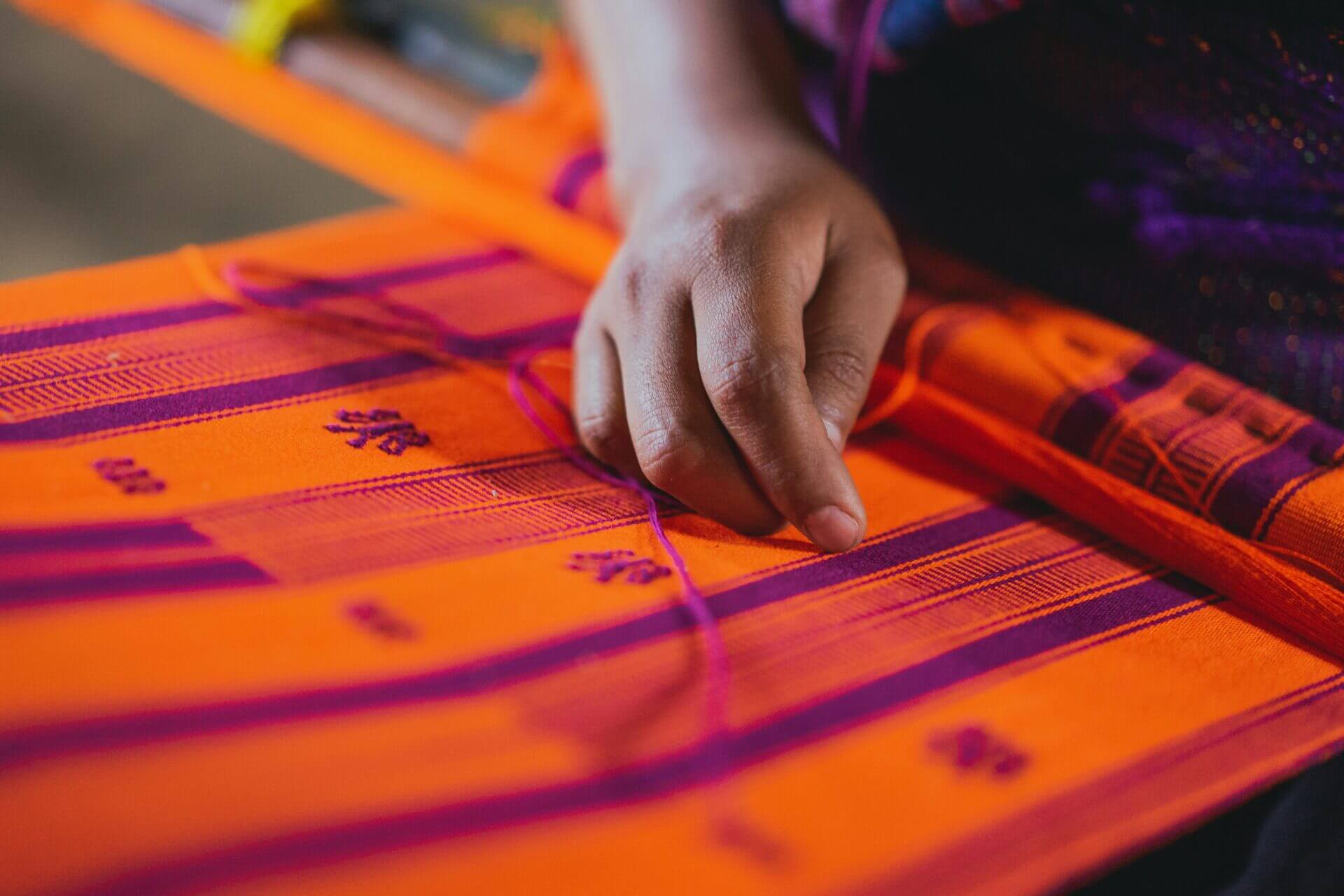
Indigenous artisans make the sustainable journey unique, and here are two main reasons:
- They preserve cultural heritage by employing ancient techniques rooted in ancestral practices passed down through generations, like hand spinning, back-strap loom weaving and natural dyeing.
- They rely on local products, supporting regional economies and adhering to the natural cycles of every fabric to respect nature and the environment.
By doing so, local artisans guarantee the authenticity and durability of their products.
Inspired by traditional craftsmanship, factories became more socially conscious. They adopted closed-loop manufacturing, waterless dyeing methods, and biodegradable zero-waste packaging alongside conventional techniques, non-toxic dyes, and sustainable materials.
Ultimately, the path for a sustainable market involves integrating local traditions with advanced technology, and this is precisely what South America is doing. They’ve embraced sustainable, biodegradable, earth-conscious materials in the past, and now they only need to adapt them for a broader market and integrate them with more advanced technology to lead the market.
What to watch for to be sure it’s sustainable and ethically made
The shift to responsible production is encouraging many latin fabrics to adopt sustainable and ethical manufacturing, and governments are pushing the change. For example, Brazil launched its National Circular Economy Strategy in 2024, demonstrating its commitment to making Latin America’s fashion industry more sustainable and reducing carbon emissions.
Retailers are increasingly expanding their sustainable offerings to meet the rising demand for ethical clothing. Additionally, international brands source materials from South America, as the region is becoming important for sustainability certifications, such as OEKO-TEX and GOTS, and it has established a reputation as a responsible producer of fabrics.
For consumers, it is important to distinguish genuine regionally made products from marketing claims. Here are a few practical signals to keep in mind:
- Named facilities or manufacturer places: brands that introduce the makers or publish facility details are more likely to be transparent.
- Certifications and audits: Fair Trade, or published codes of conduct and audits matter when you’re comparing an ethical factory vs. a fast fashion industry approach. Also look for Eco-Stylist certification.
- Materials origin: statements about local fiber sourcing, or regenerative and low-impact materials, should be backed by supplier or material-partner claims.
We know how difficult it can be to find the perfect brand, which is why below are profiles of the five brands that matter to eco-minded shoppers.
5 certified South American lifestyle brands to love
Eco-Stylist is reader-supported. If you make a purchase using our links, we may earn a commission. We only feature fashion brands that pass our sustainable brand criteria. Learn more here.
Due to the region’s heterogeneous nature, brands range from small designer workshops to mission-led brands that partner with makers. Regardless of size or nature, all emphasize fair wages, traceability, and keep an eye on their environmental footprint, often for direct-to-consumer labels. Let’s have a closer look at our favourite five brands:
1) Adelante: handcrafted, made-to-order footwear
The brand is a strong example of how craftsman-led production can combine craft, traceability and worker wellbeing. Local craftsmen handcraft shoes in a workshop in Guatemala, and they are made to order. It pays its workers above the area’s living wage and is transparent about salaries and employee well-being through its annual impact reports.
Why it matters: Made-to-order reduces overproduction. Also, local workshop production shortens supply chains and keeps more economic value in the region.
Overall Rating: Gold
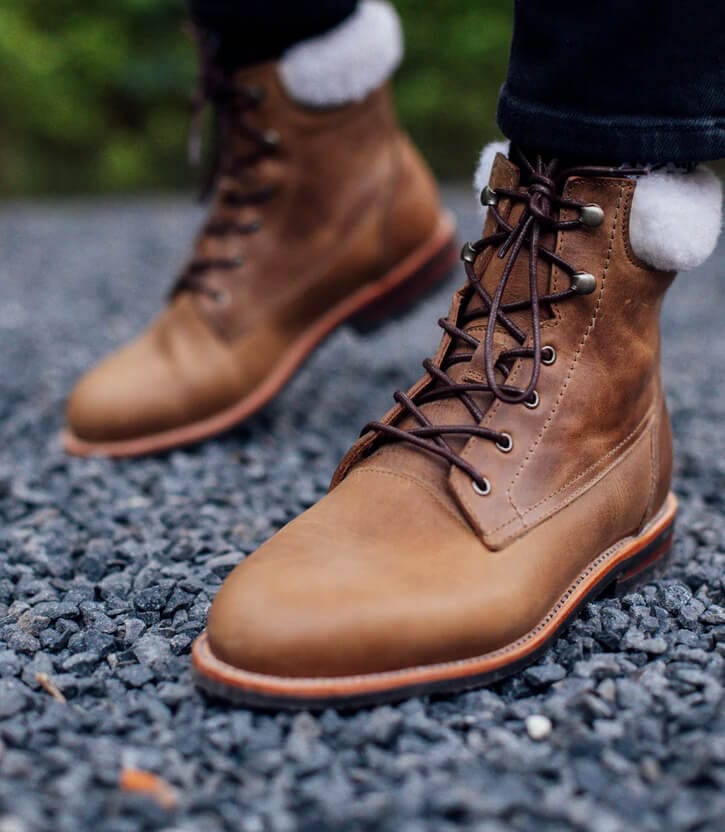
Our selected piece: The Cozy Havana – Made to order for any size and handcrafted by skilled Guatemalan craftsman. They feature 100% sheep’s wool at the ankle and soft, high-density memory foam insoles. With these shoes, you’ll take care of the planet and your feet.
2) EcoPersona: accessories brand experimenting with circular materials
The company focuses on accessories made from circular, low-impact materials like Piñatex® (pineapple leaf fiber), recycled PET made from recycled plastic bottles and other upcycled materials, and works with small Latin American artisan producers. Its global team includes designers and craftsmen from Peru and Mexico, with manufacturing rooted in Colombia and Guatemala. Its mission is to redefine fashion by merging heritage craftsmanship with innovative materials, empowering communities and helping conscious consumers express their values through their wardrobe.
Why it matters: It is the demonstration that plant-based and recycled leather linings are being adopted in South America by emerging labels to reduce leather-related impacts.
Overall Rating: Certified
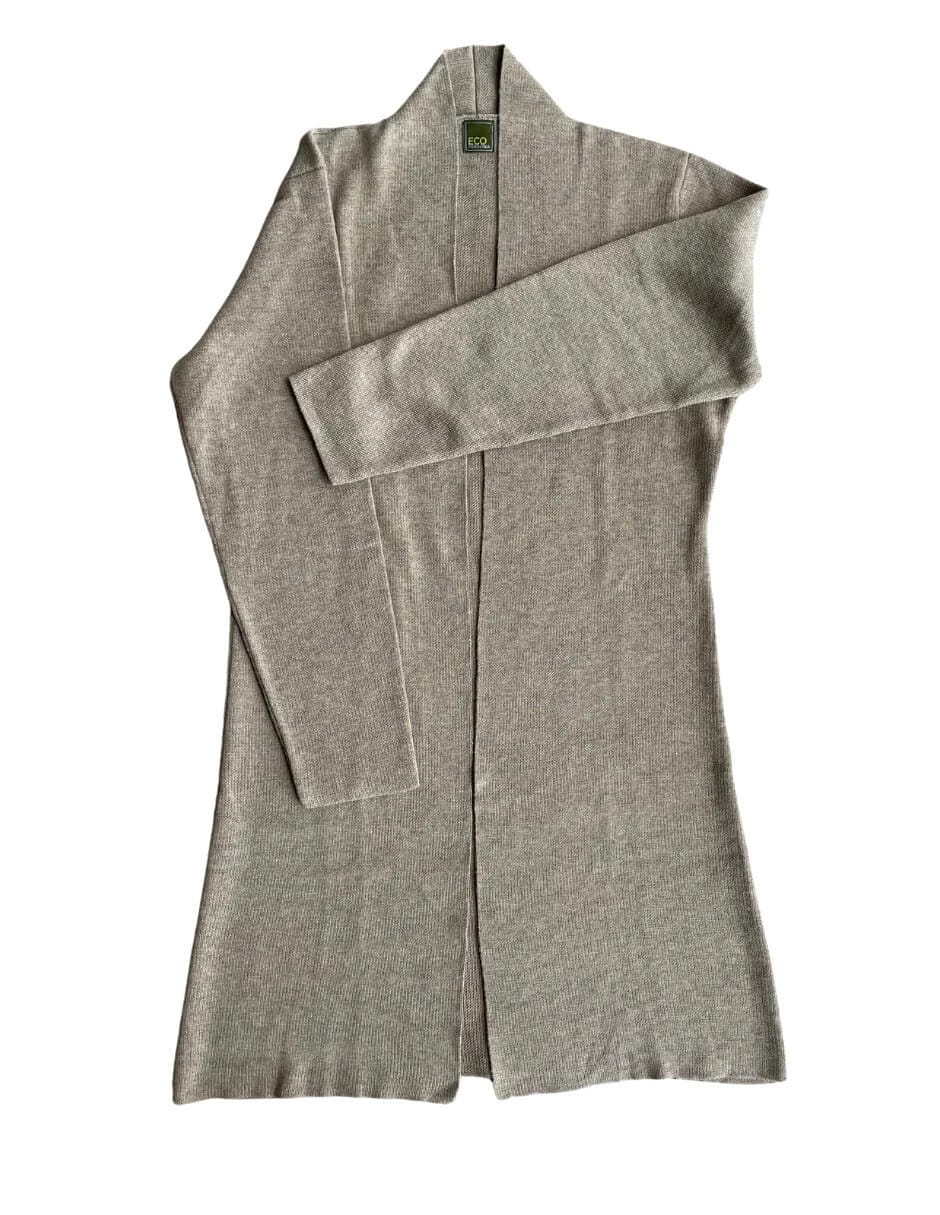
Our selected piece: Alpapachoa Sweater – A warm and cozy sweater made from organic cotton and recycled PET. It comes in one size M, with 2 variants: short or long and in many colors. Its name means “hug to your soul” in Nahuatl. Comfort, sustainability and positive vibes: all you need in just one piece.
3) Selfmade: Costa Rican handicraft and natural dyeing
Selfmade is a Costa Rican label focused on natural fabrics, hand-dyed pieces, and locally made slow fashion. It sells clothing made of linen, hemp, and organic cotton, as well as accessories in beautiful colors and unique hand embroidery. It sources from Costa Rica, Mexico and Colombia, and it shares information about its supply chain and wages.
Why it matters: It preserves the local knowledge, reduces transportation impacts and upcycled fabric scraps as part of the packaging materials. Also, being dyed with non-toxic dyes gives every piece a unique outlook that is impossible to recreate.
4) Known Supply: human-centered clothing and certified methods
The label shines a light on the people who make our clothes by having each garment signed by the maker and allowing you to “meet the maker” on the online shop. It focuses on certifications and traceability and operates with Fair Trade and B Corp-style commitments. It has long-term partnerships with makers in the region and a transparent supply chain.
Why it matters: Thanks to certifications and maker transparency, you can trust its “made in South America”. Go to the website and click “Meet the makers” to learn more about your craftsman.
Overall Rating: Silver
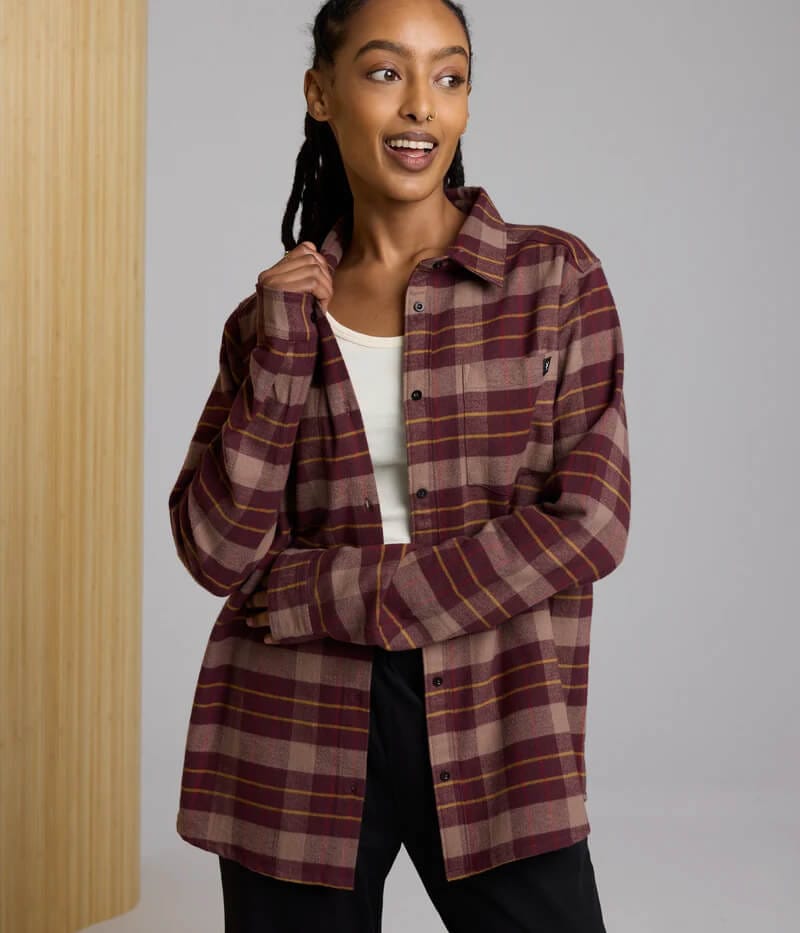
Our selected piece: Shiloh Unisex Flannel – Fudge – This heavyweight flannel is sure to be your next favorite outfit choice. Its unisex fit allows for the perfect oversized look. It’s Fair Trade and GOTS Certified and 100% Organic Cotton. Once it’s yours don’t forget to check who crafted it for you and leave a message to say thanks. Don’t you think it is a great idea?
5) Beckett Simonon: leatherwork and an in-house workshop in Bogotá
The brand sells men’s and women’s leather shoes manufactured in workshops in Bogotá and Colombia. It provides fair wages, significantly above minimum, and uses materials certified by the Leather Working Group and REACH. Shipping boxes are 100% recyclable, and the packaging is made with a combination of zero-bleaching chemicals, sugarcane, FSC-Certified, Earthpact Certified, or 100% recycled.
Why it matters: Shoes are made to order and designed to last, reducing the waste footprint. Additionally, you can recycle your old shoes for free through Beckett Simonon’s partnership with Soles4Souls.
Overall Rating: Silver
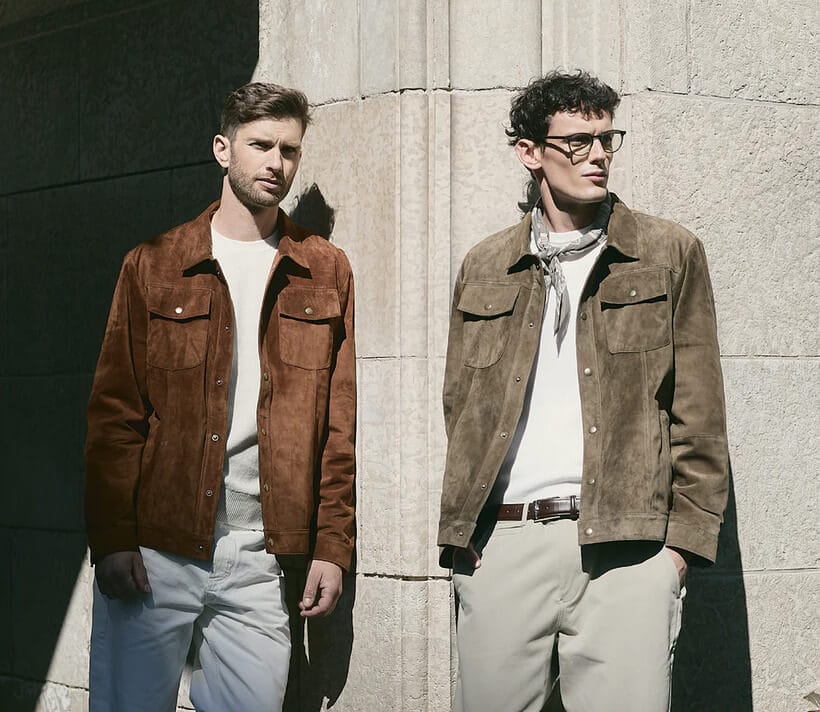
Our selected piece: Stratton Jacket – men’s -A modern, classic trucker jacket, handcrafted from premium suede. Made in a workshop in Bogotá, Colombia, where employees are valued and respected and have the chance to do apprenticeships and training programs.
Here at Eco-Stylist, we are not surprised that South America’s role in the ethical and sustainable industry will rise in the years to come, transforming the entire global market “latina vibes”.
Where to learn more about purchasing sustainably
The brands mentioned in this article are all Eco-Stylist Certified for transparency, fair labor, and sustainable production. You can find more information in our brand guide.
And if you don’t want to miss out on fantastic deals, subscribe to our email list by scrolling down to the footer of our website and following us on Facebook and Instagram too!

Mara is an Italian writer and communicator specializing in sustainability, multilingual communications, and localization. She loves literature, art, and traveling. She dreams of living on a sailing boat to explore the Mediterranean.