

Why should we be buying second-hand?
Fast fashion and social media have sped up trend-cycles in a way never seen before. Influencers use their platforms to promote emerging trends as ‘must-haves’, encouraging viewers to purchase clothing products in a kind of frenzy before the internet moves onto a new style. This speedy new system means that trend-cycles, which used to last years- now last only weeks before fading into obscurity. Unfortunately, the environmental impact of these garments do not disappear quite so easily, leaving the earth with heaps of unwanted textile waste. Shopping second-hand is a great way to combat this fast-paced cycle and slow down our approach to buying clothes.
Fast-fashion companies use cheap, non-recyclable materials like polyester to churn out clothes while they’re in demand. The inexpensive nature of the production processes -which often rely on unethical labour practices- means that they can be sold for extremely low prices. This encourages consumers to buy a high quantity of low-quality clothes, which are built on the exploitation of badly-paid labourers. These low-prices contribute to the fact that the average person now buys four times as many clothes per year as they would have done 20 years ago.
These short trend cycles and oversupply of stock means that around 40% of garments are never sold, and many that are will be discarded as soon as the next trend arrives. Micro-trend pieces drift into obscurity and end up in landfills, their artificial fibres unable to decompose. As a result, the fashion industry produces immense textile waste which will linger for hundreds of years, leeching toxins and micro-plastics into the earth. Fleeting trends might appear harmless but their production leaves giant footprints on the state of the planet.
Second-hand shopping provides an alternative to buying into this cycle: it reduces the demand for low-quality clothes. Rather than contributing to the creation of more waste, we can look to our planet, full of unwanted garments ready for a second life, and rescue them from becoming part of the 92 million tonnes of textile waste created every year.
Thrifting is a great alternative to supporting fast-fashion, particularly if shopping high-end sustainable brands is out of your budget. For many people, resale is changing from a last resort to a primary option, meaning that the second hand market is booming. From highstreet brands to luxury pieces, if you know where to look, you can find anything for a fraction of the price!
As well as being good for the environment, escaping the traps of short trend cycles can really help develop a personal style. While shopping second-hand, decades of styles are put in front of you, some of them reminiscent of contemporary trends, but many of them them are completely unique to their era. When you’re not constantly looking for the ‘in’ thing, what you buy becomes completely guided by your own tastes.
Best places to find eco-friendly second-hand deals
With the second-hand market booming, there are more ways than ever to find thrifted bargains. Here are three different ways to thrift, so that you can find what’s perfect for you!
In person thrift stores and boutiques
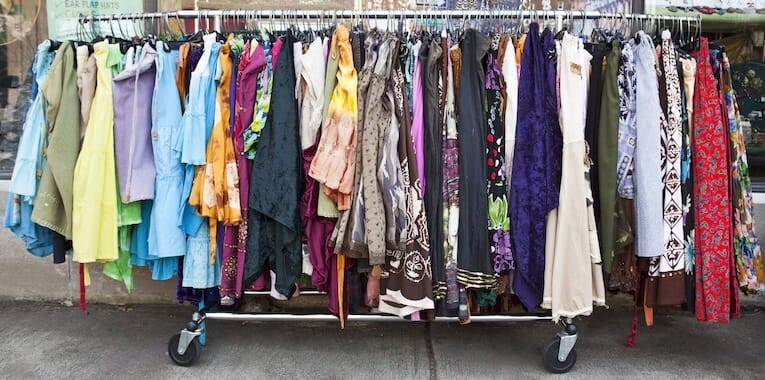
There are currently around 25,000 ‘resale, consignment, and non-profit shops’ in the U.S. and 11,000 in the U.K, so pretty much everyone has a ‘local’ thrift store or charity shop. These are the places to look if you’re browsing for new pieces, rather than looking for something specific.
In-person thrifting can feel like a bit of a diamond-in-the-rough situation- especially if you’re brave enough to take on the bins. But in my opinion, nothing beats a day out rummaging through clothes, and the satisfaction of finding something perfect. If your local spots tend to be more “miss” than “hit,” try exploring different areas. Thrift stores reflect the communities that donate to them, so shops in more affluent neighbourhoods are often great places to discover higher-end garments or luxury labels for low prices.
You will get the best deals on clothes in-person, as most stores are not curated or marked up based on materials or quality. For regular thrifters, it’s helpful to learn what to look for: sturdy stitching, natural fibres, and durable brands. Many vintage pieces are made with higher-quality fabrics and have already proven their longevity, so you can trust that they’ll stand the test of time.
To top it all off, many thrift stores are non-profit and volunteer run, so the money that you are spending goes straight to charity. A win for both your bank account and your chosen non-profit!
Online platforms
Online platforms provide a similar experience to thrifting but with the addition of pricing filters. This allows buyers to keep their search results in the extreme-bargain range or increase them for luxury brand labels. If you’re shopping for more specific second-hand items, look here.
Eco-Stylist is reader supported. When you shop through links on our site, we may earn a commission. Learn more here.
1) Vinted

Vinted is an online marketplace for second-hand clothes and goods. It is the biggest European second-hand platform and is gaining popularity in the US. In terms of the volume of items available, it is very much like an in-person thrift store but with the addition of a search system and a great algorithm,
Vinted is a fan-favourite for a reason, the platform’s keyword searching and machine learning are able to recognise what you like and display it on a personalised page. This allows you to browse a kind of tailored boutique based off your interests. On the other hand, the filters and search-system allow buyers to search for specific items, accounting for the popularity and newness of listings to bring premium results to the top of your search!
As well as being extremely convenient to use, Vinted promotes a drop-off point to collection point delivery system, reducing their delivery emissions by 62%.
2) Depop and ThredUp
Both of these platforms are similar to Vinted, but with a more curated feel, perfect for buying slightly more specific styles and items.
Depop leans towards unique and vintage pieces with some upscale brands. Like Vinted, it is a peer-to-peer selling site, so it has a somewhat social media feeling, focusing on ‘our community’s tastes, trends and inspirations’. You can follow accounts that you like and keep up-to-date with their posts, great if you’re shopping for a specific style or just need some inspiration.
ThredUp is a little different in that they are not peer to peer; sellers send items in bulk for the ThredUp team to inspect and list. If you’re skeptical of buying second-hand, this is perfect as each item has been vetted by a professional, ensuring quality and no hidden defects.
3) eBay
Let’s get this clear, eBay is not the easiest place to shop second-hand, but if you’re up for some digital rummaging, it might be the place for you. eBay is an online marketplace selling just about anything you can imagine. Old action figures, camera parts, and most importantly, cheap and high-quality clothes.
Because trend cycles are so persistent, chances are those new capris or off the shoulder tops that just came into fashion are borrowed from the 80’s. Instead of purchasing a new, low-quality pair, pop some search words into eBay along with the ‘auction’ feature, do some scrolling, then boom: eco-friendly, great quality, stylish clothes.
4) Vestiaire
For second-hand luxury and designer brands, Vestiare is perfect. Each item is verified for authenticity before being sold, meaning you can find high-end pieces from brands like Chanel, Prada, and Stella McCartney at a fraction of their retail price. By extending the life of luxury items, Vestiaire helps keep quality fashion out of landfills and in circulation.
6 Eco-Stylist certified brand marketplaces
Lots of brands are showing their commitment to sustainability by creating their own second-hand marketplaces, keeping their pieces in circulation rather than in the landfill.
Here are six Eco-Stylist certified sustainable brands to buy from second-hand.
1) Patagonia

Patagonia has long been a leader in environmental responsibility, and their resale platform Worn Wear extends that mission by keeping high-quality outdoor clothing in use for as long as possible. Through Worn Wear, customers can buy and sell pre-owned Patagonia items that have been professionally inspected and repaired when needed. This helps reduce textile waste, lower carbon emissions, and make durable outdoor gear more accessible at reduced prices. If you’re looking for reliable jackets, fleeces, or activewear built to last, Patagonia’s resale marketplace is one of the most trusted options available.
2) Toad&Co
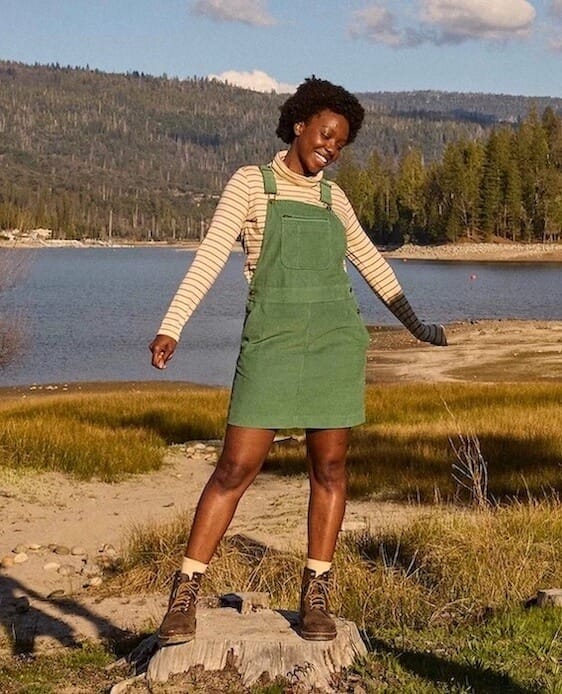
Toad&Co’s resale programme, Toad Again, reflects the brand’s commitment to thoughtful production and circular fashion. Known for creating comfortable, timeless clothing from sustainable materials, Toad&Co encourages customers to buy and resell pre-loved items directly through their platform. This keeps well-made garments in circulation while reducing the need for new resource-intensive production. Toad Again is ideal if you’re looking for casual, everyday pieces that balance durability, comfort, and sustainability at a lower price point.
3) tentree
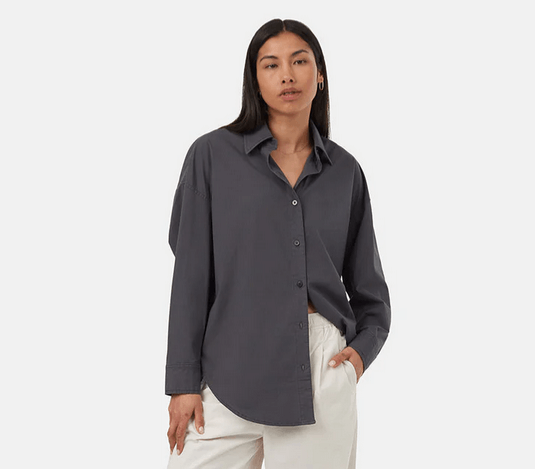
tentree combines sustainability with accessibility, and their resale platform helps extend the life of garments designed with the planet in mind. Through their second-hand marketplace, customers can shop pre-owned tentree clothing at discounted prices, reducing textile waste while supporting a brand that prioritises ethical sourcing and environmental impact. Since tentree plants trees for every item produced, buying second-hand from their platform amplifies that positive impact by maximising the lifespan of each piece. It’s a great option for eco-conscious shoppers seeking casual, versatile styles that align with long-term sustainability values.
4) Outerknown

Outerknown was built on the principles of fair labour and high-quality materials. On their resale platform Outerworn, customers can buy and sell pre-owned products directly through the Outknown website. This keeps their products in circulation, preventing waste and reducing the demand for materials. If you’re looking for a sturdy pair of trousers or a stylish flannel for a reduced price, this is a great place to start!
5) Girlfriend Collective
This sustainable activewear brand uses recycled fabrics and eco-friendly dyes, reducing their negative effects on the planet and maintaining full transparency. Through their resale programme Girlfriend to Girlfriend, you can shop high-quality sports gear at a discounted price, knowing that it was made to last.
6) Wolven
Wolven creates eco-friendly active and loungewear with natural dyes and sustainable fabrics. Their Wolven Pre Loved scheme provides an incentive to return your used items and allows shoppers to access Wolven’s clothes for a fraction of the price. Every resale reduces textile waste and supports Wolven’s mission to make sustainability both stylish and accessible.
What to look out for
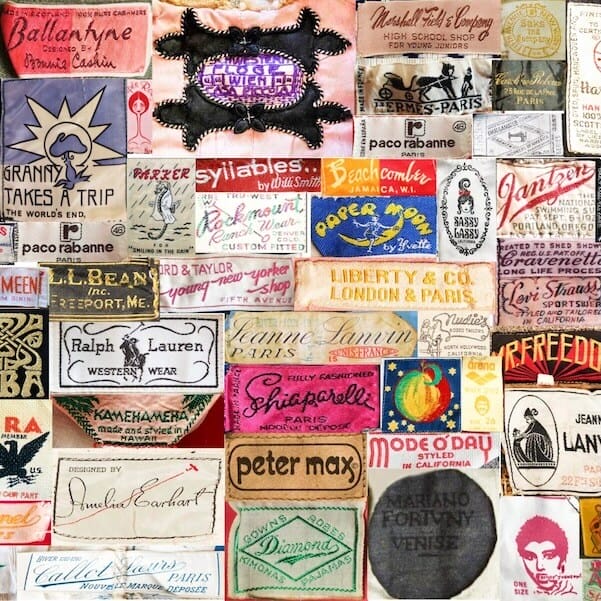
When browsing second-hand, a great way to make sure your purchases are thoroughly sustainable is by checking the fabric labels. Natural fibres such as cotton, wool, silk, and linen are biodegradable as well as being generally sturdier and likely to even improve with age. They breathe well, clean well, and soften with age, seamlessly becoming a staple part of your wardrobe. Another way to ensure a garment’s sturdiness and quality is to look at the finishings. Zippers, seams, and fabric weights can be indicators of a piece’s quality and durability. Vintage items will often be finished with more care and stronger stitching than modern, fast-fashion items.
Keep an eye out for reputable brands known for their durability and timeless design. Brands such as Levi’s, Patagonia and Barbour have a strong reputation for quality, meaning that their second-hand products will last through multiple owners. Classic cuts and neutral tones will give you versatility, while unique vintage finds can add character to your wardrobe.
If possible you might want to avoid cheaper synthetic fibres such as acrylic and polyester. These materials are less durable; they are likely to pill or break. Synthetic fibres also contribute to plastic pollution once you own them: when the garments are washed, they release micro-plastics into both the water and your skin.
Practicing thoughtful consumption
At its heart, shopping second-hand is not about buying more clothes, but about slowing down the cycle of a garment’s life. Thoughtful shopping means really considering whether or not you need something and if it will work long-term in your wardrobe. Without this consideration, even second-hand shopping can feed into negative consumer behaviours which are wreaking havoc on the planet.
Part of that thoughtfulness also comes from extending the life of what you already own. Learning to sew on a button, patch a hole, or re-hem a pair of trousers gives your clothes more than just physical longevity, it adds personal value. Mending can make you truly understand the skill that goes into making high-quality clothing, and how we should strive to care for the things that we already own.
Sustainable shopping is ultimately about respect– for the materials, the makers, and the environment. Every mended garment or pre-loved item disrupts the throwaway cycle. With a little patience and creativity, we can all contribute to making fashion what it should be: slow, unique, and full of life.
The combination of environmental sustainability and bargain prices makes second-hand shopping a must-do. So, next time you need something: a new shirt, a backpack, a pair of trainers, do your wallet and the planet a favour by checking second-hand marketplaces first.
If you’re interested in learning more about second-hand shopping responsibly, then check out these articles, and be sure to share with anyone else who wants to start their sustainable fashion journey:
- https://www.eco-stylist.com/second-hand-fashion-sustainability/
- https://www.eco-stylist.com/thrifting-is-a-solution-but-its-not-the-solution-heres-why/

Faith studied English at the University of Oxford. When she’s not writing she enjoys thrifting, reading, and crochet.


