

Your new shirt looks good and it’s a bargain. You wear it a couple of times. You wash it a couple of times. The color starts to fade. The seams come apart. You throw it away.
Fast fashion is cheap. Its lifespan is short. The cost for the planet is significant and enduring.
For so many reasons fast fashion can seem like our best or only option but the environmental impact is immense. Deeply harmful manufacturing processes and intense volumes of production are causing irreparable damage to the planet. According to a 2019 UK Parliament report on clothing sustainability:
“Textile production contributes more to climate change than international aviation and shipping combined.”
The life of a fast fashion garment is toxic from start to end. Let’s take a closer look.
The Fabric of Fast Fashion: How Materials Harm the Environment
Fast fashion loves synthetic fabrics. They’re durable and cheap to produce but do serious harm to the planet.
The big hitters, Polyester, Acrylic and Nylon are all derived from petroleum – fossil fuel alert – and production involves the use of toxic chemicals. To make matters worse, they’re non-biogradable and shed plastic micro-fibres that have devastating effects for marine life.

Cotton is a natural fibre but conventional production methods consume vast amounts of water, leading to water scarcity. Production also involves the use of harmful fertilizers and pesticides which can seep into waterways that local communities depend on and negatively affect biodiversity.
For the full run-down of the best and worst fabrics check out our guide to sustainable fabrics.
Fast Fashion Waste: Overproduction and the Landfill Crisis
Accelerated speeds and high volumes of production are integral to the fast fashion business model. Greenpeace estimates that clothing brands make over one million garments every day. It doesn’t help that brands actively encourage people’s ‘need’ for newness and consumption with a never-ending turnover of fresh styles.
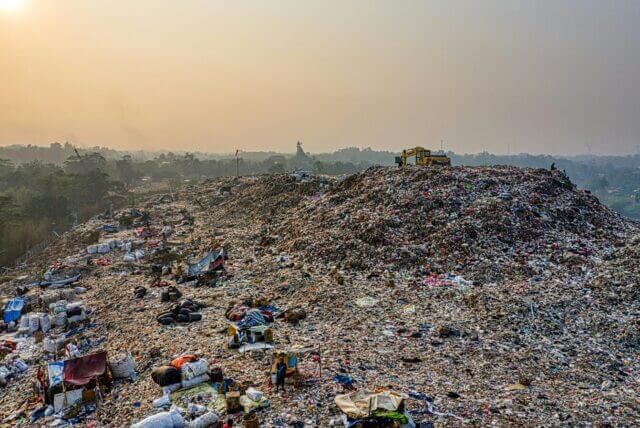
Cheap fabrics and quick production mean these clothes weren’t made to last. It’s believed that 9.2 million tonnes of fabric are thrown away every year. Most of this will end up in landfill or be incinerated, neither of which is a sustainable solution.
A truckload of unwanted textiles are dumped in landfill or incinerated every second according to the Ellen Macarthur Foundation.
Donating your unwanted clothes to charity can be a way to give them a second life but the majority of clothes aren’t sold in stores. It’s more likely they will be sold overseas and may ultimately reach their final resting place in landfill after all.
Find out more about the waste problem here: The Fast Fashion Waste Problem: How Discarded Clothes Impact People and Planet
Toxic Dyes and Wastewater: The Polluting Process Behind Fast Fashion
When fabric gets to the dyeing stage, the picture is equally bleak. Like cotton production, the dyeing process consumes large amounts of water.
The process also creates wastewater full of toxic chemicals which pollute waterways, causing harm to aquatic and human life, if not disposed of properly. Dyeing fabric, especially synthetics, also requires high temperatures, leading to dependence on fossil fuel energy and increased carbon emissions.
It’s estimated that the fashion industry produces 20% of global waste water and this figure is only expected to rise. One cotton T-shirt takes 2,700 litres of water to produce and you’ll wash it up to 50 times over its lifetime.
Watch this video from National Geographic, How Your T-Shirt Can Make a Difference, to learn more.
The Carbon Cost of Fast Fashion: How Clothing Fuels Climate Change
When it comes to emissions and pollution the fashion industry is one of the worst offenders. The industry accounts for 10% of all carbon emissions globally and churns out 1.2 billion tons of greenhouse emissions every year.
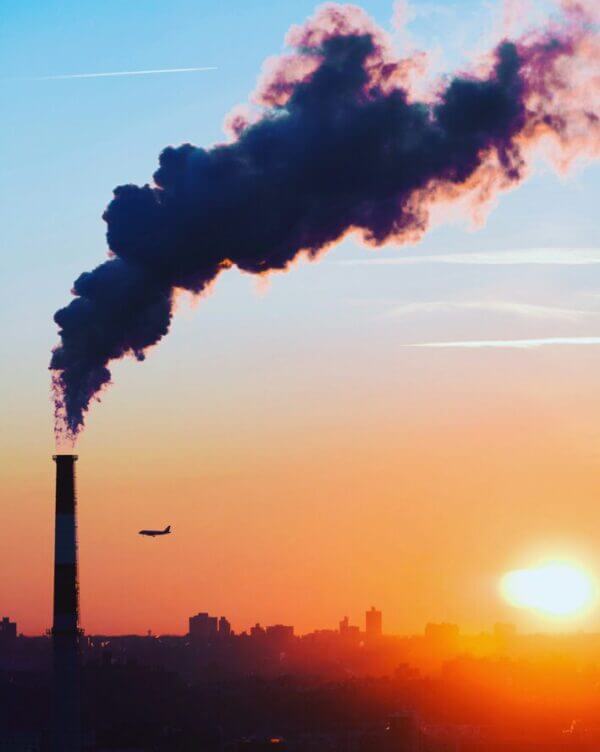
Fast fashion often relies on fossil fuels to power energy-intensive processes like dyeing and weaving. On top of that garments can be transported around the world during the production process and again to get into stores. If clothes end their days in landfill, they release methane as they decompose and incineration also releases CO2 into the air.
On a global level, these emissions are accelerating climate change. On a local level, people’s health is being affected by respiratory and cardiovascular conditions.
For one example, read our in-depth guide to the environmental impact of Shein.
The Personal Cost of Fast Fashion: From Toxins to Mental Health
We’ve seen just how damaging fast fashion is on a global scale. When we bring fast fashion into our lives it can also affect our physical and mental health.
The toxins in fast fashion garments can lead to fertility issues, disruptions in brain development and can even cause cancer. Read our guide on the health effects of fast fashion to learn more about how toxic fabrics impact your wellbeing.
The personal effects of fast fashion don’t end there. Overconsumption of fast fashion can also make us deeply unhappy. Check out our guide to learn more about how fast fashion is affecting your mental health.
How to Reduce the Fast Fashion Environmental Impact and Shop More Sustainably
The environmental impact of fast fashion can feel overwhelming — but your choices truly matter. Every time you repair, restyle, or rethink a purchase, you’re helping to slow down the cycle of waste and pollution.

It’s not all bad news. When we act collectively, change happens. Here’s how you can start making a difference today:
1. Rewear and reimagine your wardrobe.
Shop your own closet first. Mix, match, and restyle pieces to give them new life and reduce the need for more.
2. Boycott fast fashion brands.
Choose transparency over trends. See our list of the worst fast fashion offenders and commit to supporting better alternatives.
3. Choose secondhand or sustainable brands.
When you do need something new, shop vintage, thrift, or from an Eco-Stylist certified brand that aligns with your values.
Small changes in your wardrobe can create big ripples for the planet.
If this guide helped you see fast fashion in a new light, share it with a friend — because awareness grows through conversation.
Together, we can redefine style — and build a fashion future that respects both people and the planet.

Catherine is a content writer based in London. She loves vintage, reading and swimming in the sea.


